
Routine Immunisation Saves Thousands of Children in Pakistan
WHO Confirms Impact of Routine Immunisation in Pakistan
The World Health Organization (WHO) has revealed that routine immunisation in Pakistan has prevented 17% of child deaths, a milestone that underscores the life-saving power of vaccines. This achievement reflects decades of sustained efforts by the government, healthcare workers, and international partners to protect children from preventable diseases.
Pakistan’s immunisation programs, supported by WHO and UNICEF, have safeguarded millions of children against illnesses such as polio, measles, hepatitis, rubella, and neonatal tetanus. These campaigns have not only reduced mortality but also strengthened the resilience of the healthcare system.
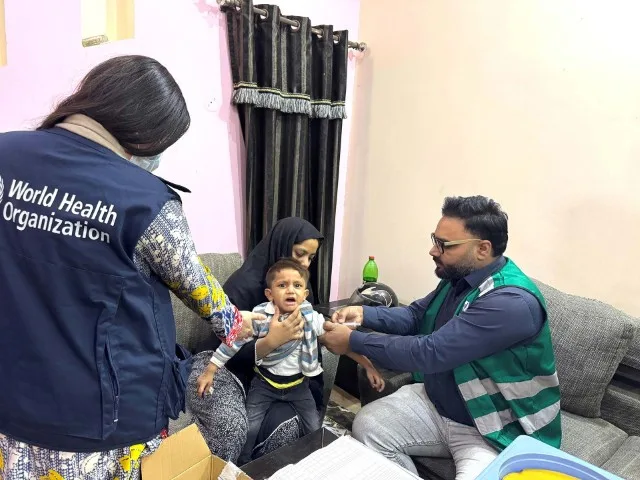
WHO highlighted that Pakistan’s success is the result of community engagement, frontline vaccinators, and strong partnerships. More than 15,000 routine vaccinators and hundreds of thousands of polio workers continue to reach families across the country, ensuring that even remote and underserved communities have access to vaccines.
The report also emphasized the broader impact of immunisation on maternal health and child survival. By integrating vaccination into routine healthcare services, Pakistan has built a foundation for long-term disease prevention and healthier communities.
Healthcare experts note that while progress has been significant, challenges remain in maintaining high coverage rates and addressing vaccine hesitancy. Continued investment in immunisation programs is essential to sustain these gains and protect future generations.
Pakistan’s recognition by WHO as a leader in child mortality reduction demonstrates the country’s commitment to public health, resilience, and global collaboration. Routine immunisation has proven to be one of the most effective strategies for saving lives, reaffirming its role as a cornerstone of healthcare in Pakistan.