
KP Assembly Introduces Naswar Regulation Bill 2026
Naswar Regulation: A Balanced Approach to Public Health in KP
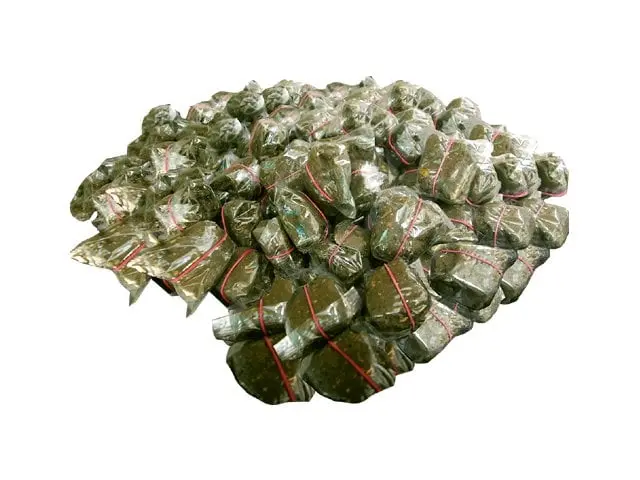
In a significant step for public health, the Khyber Pakhtunkhwa Provincial Assembly has tabled the Regulations of Snuff (Naswar) Bill 2026. Introduced by senior legislator Aamna Sardar of Pakistan Muslim League-N, the bill seeks to regulate rather than ban naswar, a widely used smokeless tobacco product in the province.
The legislation introduces a comprehensive regulatory framework designed to protect children and young people from harmful exposure. Key provisions include:
- Mandatory licensing for producers and retailers.
- Restrictions on sales to minors and limits on retail outlets near schools and public spaces.
- Standardized packaging with clear health warnings.
- Ingredient regulation to ensure safety standards.
- Ban on promotion and advertising of naswar.
- Strengthened enforcement mechanisms across the supply chain.
Aamna Sardar emphasized that tobacco is a legal product but must be sold responsibly. She explained that the bill aims to discourage harmful use among youth while ensuring the market operates within a transparent and accountable system.
The National Alliance for Sustainable Tobacco and Nicotine Control Pakistan welcomed the move, calling it a historic and balanced step. Coordinator Usman Afridi noted that the bill does not prohibit naswar but instead provides a structured framework to safeguard public health while addressing ground realities.
This initiative reflects a growing recognition that public health policies must balance regulation with social realities. By formalizing naswar’s production and distribution, KP aims to reduce health risks without causing unnecessary disruption to communities where the product is culturally entrenched.
If passed, the bill will mark a turning point in Pakistan’s tobacco control efforts, setting a precedent for other provinces to adopt similar measures. It underscores the importance of evidence-based reforms that prioritize health while respecting local practices.