
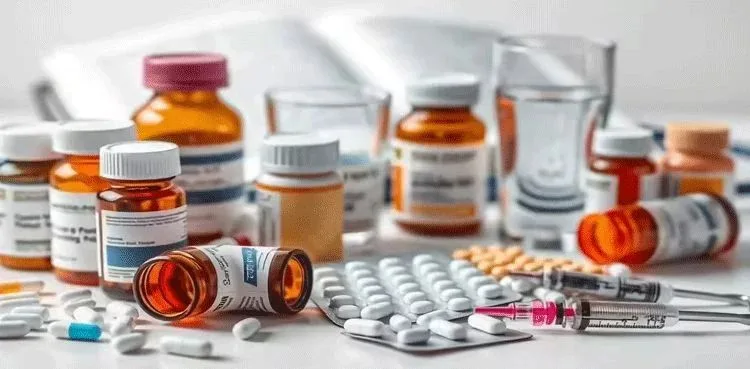
Pakistan Fixes Prices of 35 Essential Medicines to End Shortages
Government Acts to Restore Access to Life-Saving Medicines
After years of delay, Pakistan’s federal government has approved the long-awaited price fixation of 35 essential medicines, a move welcomed by patients, doctors, and the pharmaceutical industry. The decision is expected to end critical shortages that disrupted treatment for thousands of patients nationwide.
Health Minister Syed Mustafa Kamal presented the case to the cabinet, stressing the urgency of ensuring access to therapies that had remained unavailable due to pricing delays. Prime Minister Shehbaz Sharif was briefed on how the lack of official price approvals forced patients to rely on costly, unregulated, and often unsafe smuggled medicines.
The newly approved list includes oncology drugs, transplant medicines, cardiovascular treatments, and vaccines such as Typhoid Vi, polio, and pneumococcal. Other vital products include recombinant human coagulation factor VIII, human rabies immunoglobulin, and semaglutide, all critical for managing conditions like haemophilia, severe infections, and diabetes.
Industry experts noted that the shortages had created dangerous gaps in treatment, leaving patients vulnerable. In many cases, families were left with no option but to procure medicines through informal channels, raising serious concerns about quality and safety.
The Pakistan Pharmaceutical Manufacturers’ Association (PPMA) hailed the move as a “turning point” for the healthcare system. In its statement, the PPMA praised the leadership of the prime minister, the health minister, and the Drug Regulatory Authority of Pakistan for resolving what it described as a long-standing issue.
For the past two years, the government had repeatedly deferred price approvals, fearing public perception of price increases. Meanwhile, shortages worsened, and patients suffered. The PPMA had consistently warned that delays were restricting access to new molecules and advanced treatments, limiting therapeutic options for healthcare providers.
The government has clarified that while non-essential medicines remain deregulated, essential and life-saving drugs will continue under strict price controls to ensure affordability and availability.
With another 45 medicines expected to be cleared soon, this decision marks a significant step toward stabilizing Pakistan’s healthcare system. By restoring access to critical therapies, the government aims to improve clinical outcomes, reduce dependence on unsafe alternatives, and strengthen trust in the formal supply chain.
This policy shift underscores the importance of timely regulation, patient safety, and sustainable healthcare reforms in Pakistan.