
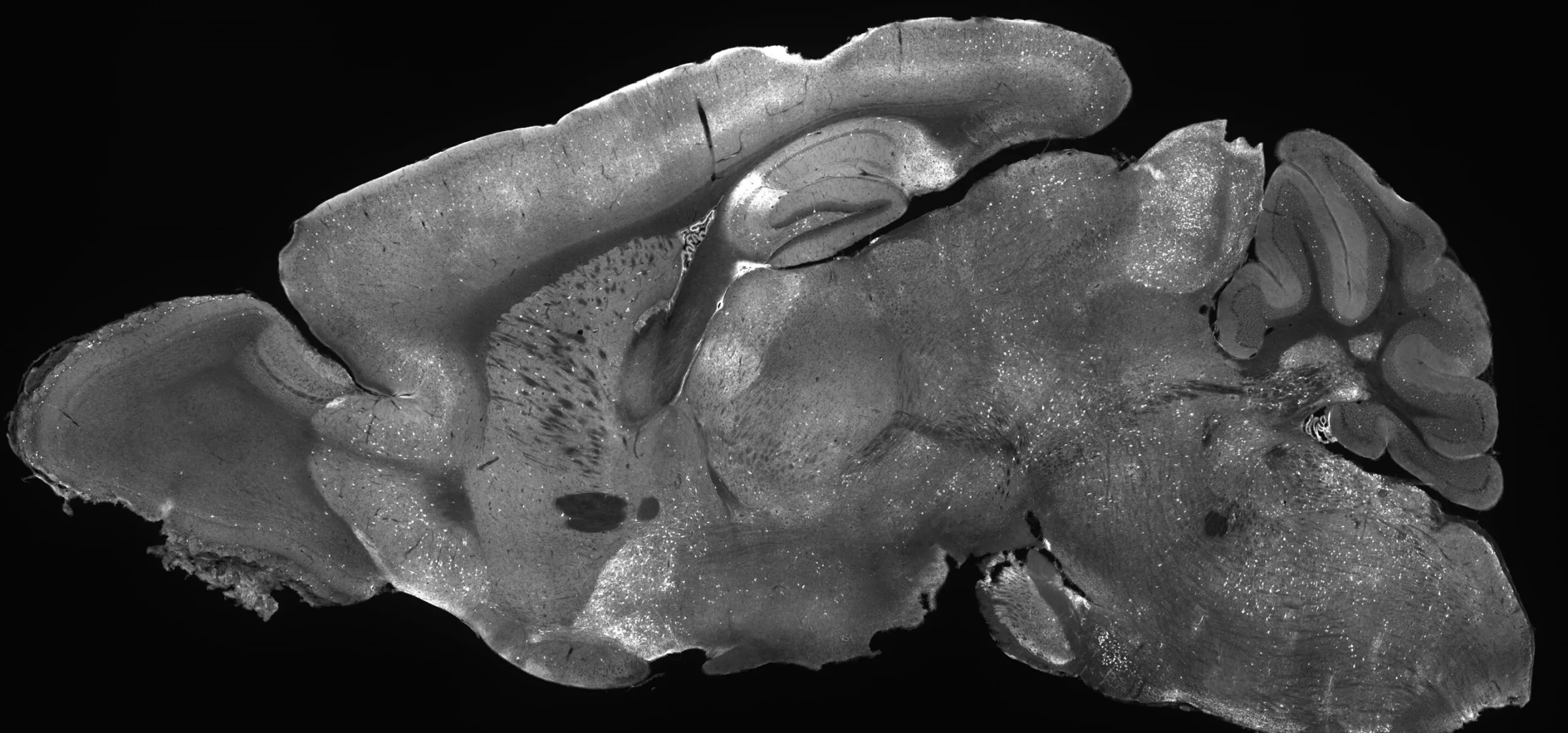
Researchers reverse gene flaw in mice linked to brain conditions like autism epilepsy
Breakthrough Gene Therapy Reverses SYNGAP1 Disorder Symptoms in Mice
In a groundbreaking achievement, scientists at the Allen Institute have engineered a novel gene therapy that has successfully reversed symptoms associated with SYNGAP1-related disorders (SRD) in mice. This offers hope for treating these challenging brain conditions in humans.
Understanding SYNGAP1-Related Disorders
SRDs encompass a group of neurological disorders characterized by a range of debilitating symptoms, including:
- Intellectual disability
- Epilepsy
- Motor skill impairments
- Increased risk-taking behaviors
These disorders typically arise when an individual possesses only one functional copy of the SYNGAP1 gene, instead of the usual two.
The Innovative Gene Therapy Approach
The researchers designed a gene therapy aimed at addressing the underlying genetic deficiency in SRDs. By delivering a functional copy of the SYNGAP1 gene, the therapy seeks to restore normal gene expression and alleviate associated symptoms.
Promising Results in Mice
Preclinical studies in mice with SRD demonstrated remarkable success with the new gene therapy. Key findings include:
- Reversal of cognitive deficits
- Reduction in seizure frequency
- Improvement in motor coordination
- Normalization of risk assessment behaviors
Implications for Human Treatment
These encouraging results in mice pave the way for potential clinical trials in humans with SRDs. The development of this gene therapy represents a significant step forward in the quest to treat these debilitating neurological disorders.
Future Directions
Further research is underway to optimize the gene therapy and evaluate its long-term safety and efficacy. The ultimate goal is to translate these findings into a safe and effective treatment for individuals affected by SYNGAP1-related disorders.
Final Overview
The successful development of a gene therapy to reverse symptoms of SYNGAP1-related disorders in mice offers newfound hope for individuals and families affected by these challenging conditions. This breakthrough underscores the power of genetic research and its potential to transform the treatment of neurological disorders.