
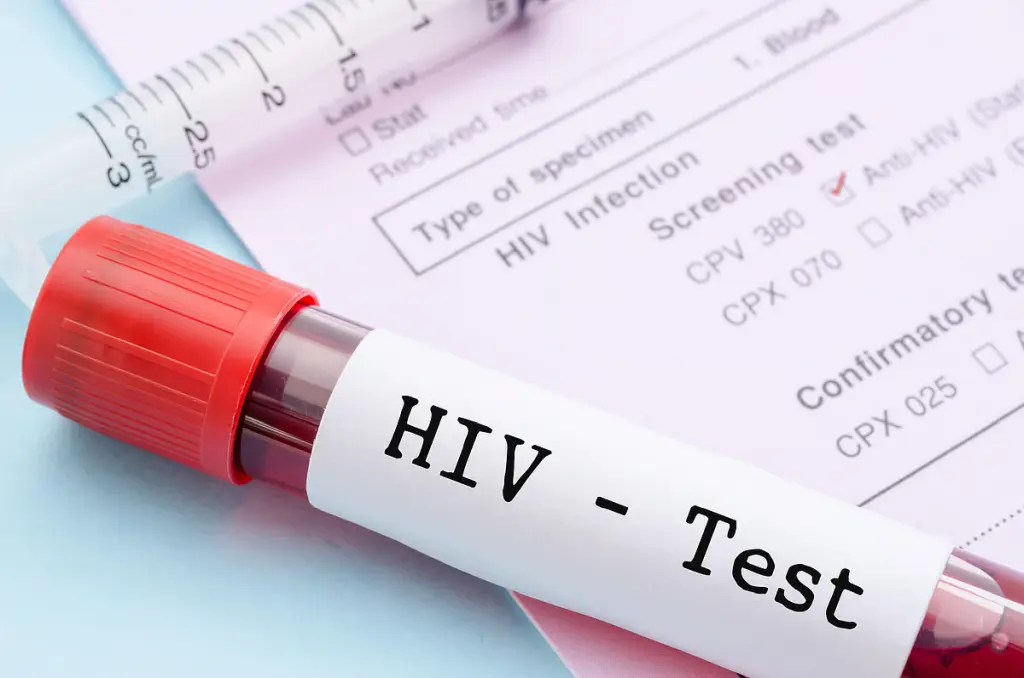
Pakistan Dismisses Reports of HIV Surge in Islamabad
Clarifying HIV Trends in Islamabad: Increased Testing, Not an Outbreak
Reports of a sudden surge in HIV cases in Islamabad have been firmly rejected by Pakistan’s Ministry of National Health Services. In an official statement, the ministry stressed that there is no evidence of an epidemic situation in the capital and that monthly case numbers remain within normal ranges.
Officials explained that fluctuations in reported cases are routine and should not be misinterpreted as alarming. The rise in detection is largely due to greater public awareness and expanded screening programs, which encourage more individuals to undergo testing. This naturally results in more cases being identified, but does not necessarily indicate increased transmission.
Data compiled from the Pakistan Institute of Medical Sciences, Polyclinic Hospital Islamabad, and various AIDS centres shows a total of 618 registered HIV patients, including 210 residents of Islamabad. Authorities emphasized that attributing all reported cases to the capital is misleading, as many patients come from other regions.
The ministry highlighted that a significant proportion of confirmed cases is found among high-risk groups, including drug users and individuals engaged in unsafe practices. This underscores the need for targeted awareness campaigns and preventive strategies rather than panic over exaggerated reports.
Officials reiterated that an increase in registered cases should not be viewed as evidence of a wider outbreak. Instead, it reflects the success of expanded testing and surveillance systems. The public was urged to rely on verified information, avoid misinformation, and continue practicing preventive measures such as safe medical practices and regular screenings.
By clarifying the situation, the government aims to reassure citizens while reinforcing the importance of responsible health practices. With stronger awareness, better testing, and preventive strategies, Pakistan is working to manage HIV effectively and protect public health.