
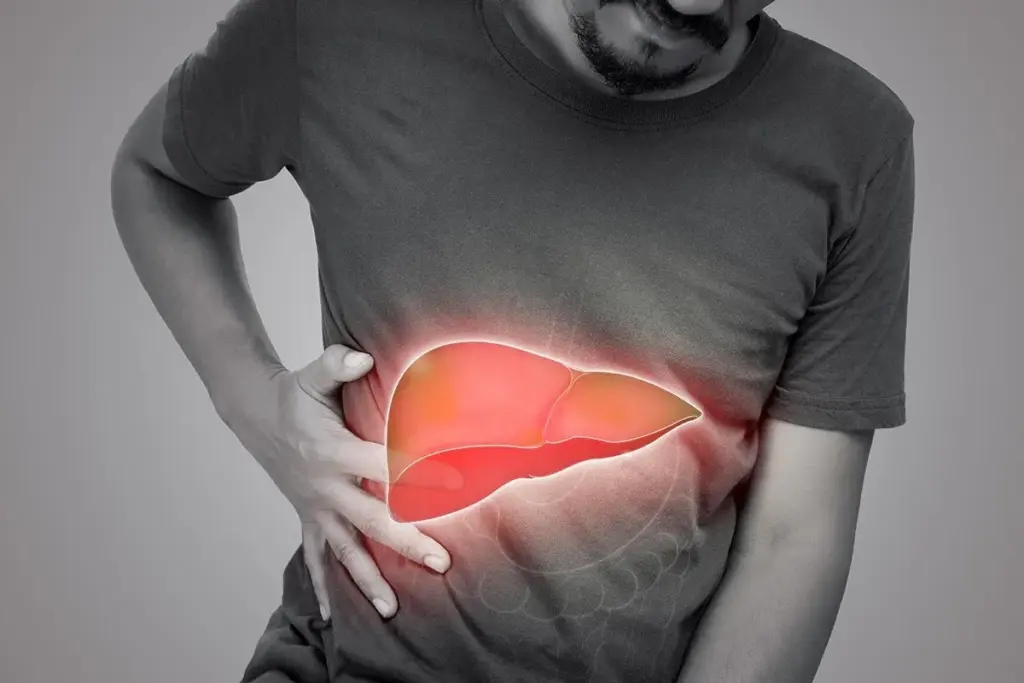
Silent Epidemic of Liver Disease in Pakistan
Confronting Pakistan’s Liver Health Crisis
Pakistan is grappling with one of the world’s heaviest burdens of liver disease. On World Liver Day, the Pakistan Medical Association (PMA) highlighted alarming statistics: between 13.8 to 15 million people are living with hepatitis B or C, including nearly 10 million cases of hepatitis C alone.
The Scale of the Problem
Only about a quarter of those infected know their status, leaving millions unaware of the risks of cirrhosis, liver cancer, and other complications. Each year, 37,000 lives are lost to liver-related illnesses, many of which could have been prevented with timely diagnosis and treatment.
Causes Behind the Epidemic
Several factors fuel this crisis:
- Unsafe medical practices such as unsterilized equipment and unscreened blood transfusions.
- Poor dietary habits, including excessive oily foods, sugary drinks, and processed products.
- Sedentary lifestyles, especially in urban areas, leading to non-viral liver conditions like fatty liver disease.
Social and Economic Impact
Beyond health, the epidemic disrupts families, reduces productivity, and places immense strain on Pakistan’s healthcare system. Rural and underserved communities face the greatest challenges due to limited access to diagnostic facilities and treatment.
What Needs to Be Done
Experts stress that the response must be both preventive and structural:
- Routine screening should become a social norm to detect infections early.
- Public awareness campaigns must go beyond symbolic gestures and deliver practical education.
- Healthier lifestyles—balanced diets, regular exercise, and cautious use of medications—should be promoted nationwide.
- Government action is critical to strengthen primary healthcare, decentralize diagnostic facilities, and ensure affordable treatment across provinces.
A Call for Urgency
Pakistan has the knowledge and tools to fight this epidemic. What is missing is coordinated action and urgency. World Liver Day should serve as more than a symbolic reminder—it must be a catalyst for sustained national effort to protect millions of lives and secure the country’s health future.Focus keyphrase