
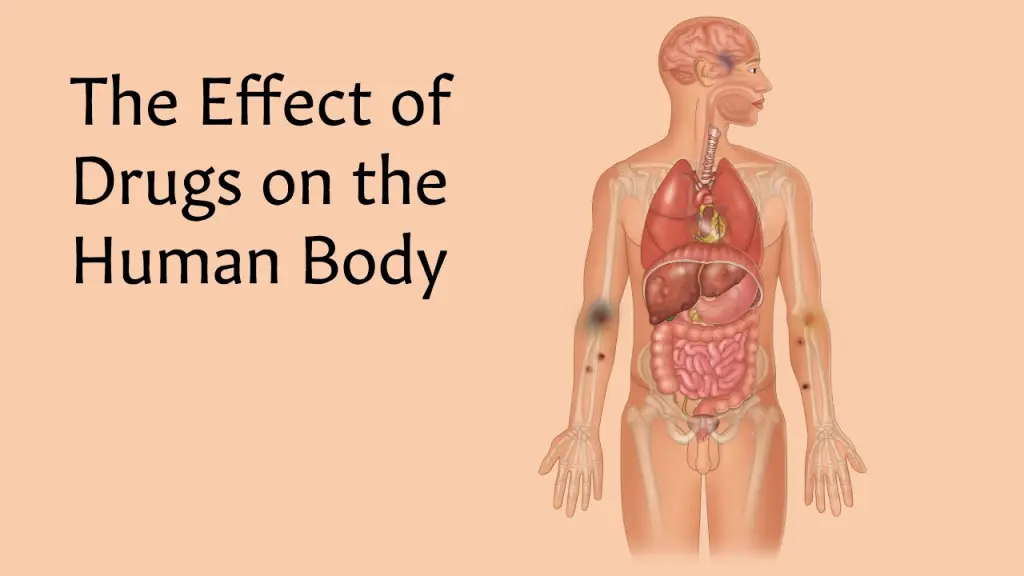
Types of Drugs and Their Effects on the Human Body
Understanding the Major Categories of Drugs
Drugs play a central role in modern medicine, helping to prevent, treat, and manage a wide range of conditions. They are classified into categories based on how they work, the systems they target, or their chemical properties.
One of the most important groups is antimicrobial drugs, which fight infections caused by bacteria, viruses, fungi, and parasites. These include antibiotics, antifungals, antivirals, and antiparasitic agents. While lifesaving, misuse of antimicrobials has led to growing resistance worldwide.
Another major category is central nervous system (CNS) drugs. These influence sensation, behavior, and mental state. General anesthetics induce unconsciousness during surgery, while local anesthetics block pain in specific areas. Psychiatric medications—such as antidepressants, antipsychotics, and antianxiety agents—help manage mental health conditions.
Cardiovascular drugs target the heart and blood vessels. They are used to treat hypertension, heart disease, and circulation problems by regulating heartbeat, blood pressure, and vessel dilation.
Drugs that affect blood composition include anticoagulants to prevent clots, hypolipidemic agents to lower cholesterol, and antianemic drugs to boost red blood cell production.
The digestive system also benefits from specialized drugs. Antidiarrheals, laxatives, antacids, and proton pump inhibitors regulate motility and secretion, easing conditions like acid reflux or constipation.
Reproductive system drugs act on hormones and organs such as the uterus, ovaries, and prostate. Oral contraceptives and hormone therapies fall into this category, though some can cross into fetal circulation and cause risks during pregnancy.
The endocrine system relies on hormones to regulate growth, metabolism, and behavior. Drugs like steroids and hormone replacements are used to treat conditions such as Addison’s disease or thyroid disorders.
Renal system drugs, mainly diuretics, help manage fluid balance and blood pressure. Different types—loop, thiazide, potassium-sparing, and osmotic diuretics—are prescribed depending on the condition.
Finally, dermatologic drugs are applied to the skin for localized effects, such as treating infections or inflammation. Some, like medicated patches, deliver systemic effects through skin absorption.
Each drug category carries unique benefits and risks. Understanding how they work helps ensure safer use, better treatment outcomes, and informed decisions in healthcare.