
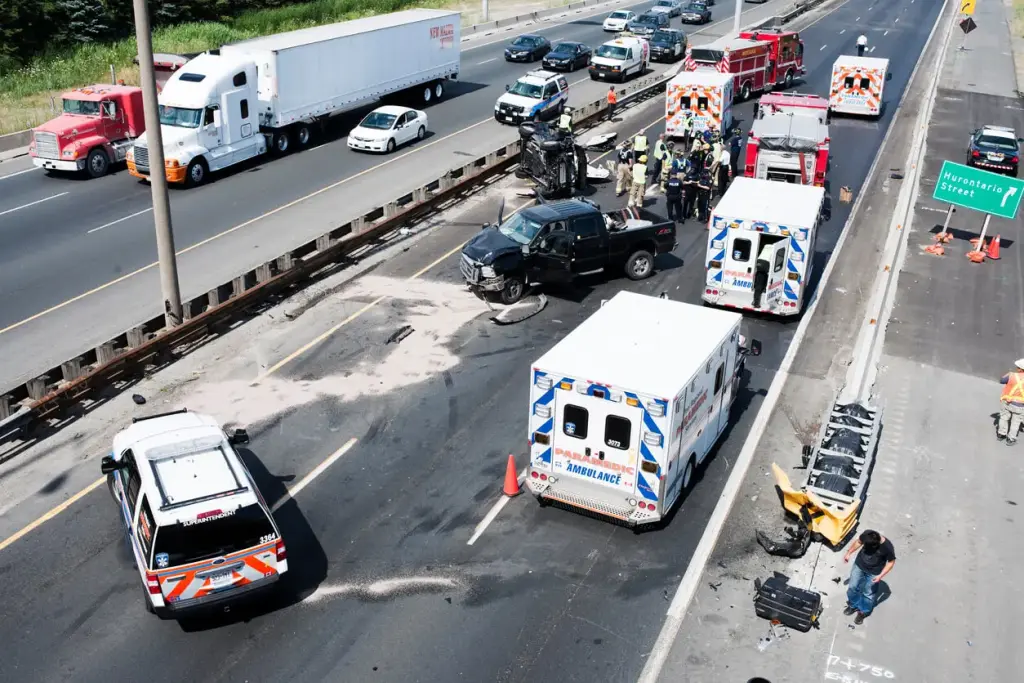
Global Road Traffic Injuries: Key Facts and Prevention Strategies
Understanding the Global Burden of Road Traffic Injuries
Every year, road traffic crashes cut short the lives of 1.19 million people worldwide, while another 20–50 million suffer non-fatal injuries, many resulting in long-term disabilities. These incidents are not only a public health issue but also an economic one, costing countries about 3% of their GDP through medical expenses, lost productivity, and caregiving responsibilities.
Who is most at risk?
- Children and young adults (5–29 years) face the highest mortality rates, making road traffic injuries the leading cause of death in this age group.
- Low- and middle-income countries account for 92% of fatalities, despite owning only 60% of vehicles.
- Men are three times more likely than women to die in crashes.
- Vulnerable road users—pedestrians, cyclists, and motorcyclists—represent more than half of all deaths.
Key risk factors driving fatalities:
- Speeding: Even a 1% increase in average speed raises fatal crash risk by 4%.
- Alcohol and drug use: A blood alcohol concentration of just 0.04 g/dl significantly increases crash risk; amphetamine use raises fatal crash risk fivefold.
- Non-use of safety measures: Helmets reduce death risk sixfold, seat belts cut fatalities by 50%, and child restraints lower infant deaths by 71%.
- Distracted driving: Mobile phone use makes drivers four times more likely to crash, with texting posing the greatest danger.
- Unsafe infrastructure and vehicles: Poorly designed roads and lack of safety standards in vehicles amplify risks.
- Weak post-crash care: Delays in emergency response often determine survival outcomes.
Prevention strategies that work:
- Designing safer roads with footpaths, cycling lanes, and traffic calming measures.
- Enforcing laws on speed limits, drink-driving, helmets, and seat belts.
- Ensuring vehicle safety standards like airbags, seat belts, and electronic stability control.
- Strengthening post-crash care systems with timely prehospital and hospital interventions.
- Raising public awareness and involving multiple sectors—health, transport, police, education, and civil society.
Global response:
The United Nations Decade of Action for Road Safety (2021–2030) aims to cut road traffic deaths and injuries by 50% by 2030. The World Health Organization (WHO) leads this effort, working with governments and partners to improve road safety policies, infrastructure, and emergency care.
Road traffic injuries are preventable. With coordinated action, stronger enforcement, and community awareness, countries can save lives and reduce the devastating impact of crashes on families and economies.