
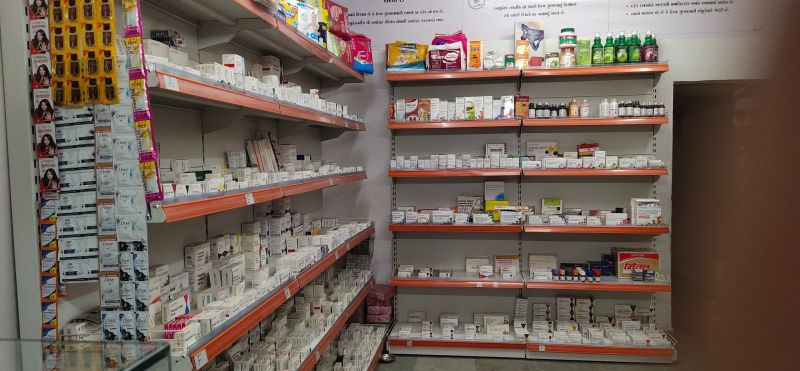
Rising Medicine Costs Push Patients to the Brink in Pakistan
Escalating Drug Prices Threaten Patient Care Across Pakistan
Patients across Pakistan are facing a worsening healthcare crisis as medicine prices continue to climb. In major cities like Lahore, Karachi, and Peshawar, the cost of essential drugs has surged, leaving families unable to afford treatment for chronic and life-threatening conditions.
Since 2023, medicine prices have risen sharply, with 50% increases in 2024 and another 30–40% hike in 2025. The imposition of an 18% general sales tax has further added to the burden. Patients report that even basic treatments are now unaffordable, despite pharmacies offering discounts of up to 15%.
In Lahore, diabetes patients say their monthly medicine bills have doubled, with costs rising from Rs5,000 to nearly Rs10,000. In Karachi, wholesalers report price revisions every 15–20 days, sometimes multiple times in a single month. Insulin, in particular, has become both expensive and difficult to find, forcing patients to skip doses despite the risks.
Experts point to weak regulatory oversight as a major factor. Pharmacist Noor Mehr explained that deregulation has allowed companies to set prices independently, leading to unchecked increases. Abdul Samad Budhani of the Pakistan Chemist and Drug Association added that delays in government decisions on essential drug pricing have caused shortages, especially for critical medicines like insulin.
In Peshawar, patients and pharmacists report similar shortages, particularly for antibiotics and pregnancy-related drugs. Healthcare workers warn that pharmaceutical companies are charging arbitrary prices, while irrational prescribing and self-medication are worsening the crisis.
Industry stakeholders highlight global supply chain disruptions, currency depreciation, and reliance on raw materials from India and China as key drivers of rising costs. Geopolitical tensions, including the ongoing war involving Iran, have further inflated shipping and import expenses.
Public hospitals are also struggling, often providing only partial prescriptions and forcing patients to buy the remaining medicines from private pharmacies at inflated rates.
Experts emphasize the need to promote generic medicines, which are 70–90% cheaper and equally effective. However, many patients and doctors in Pakistan continue to prefer branded drugs, limiting the benefits of generics.
Without urgent policy action—including stricter price regulation, improved supply chain oversight, and public awareness campaigns—the crisis is expected to deepen, pushing more patients to the brink of untreated illness.