
Pakistan’s Mothers Matter Program: Transforming Maternal Health Literacy
Empowering Families Through Maternal Health Literacy
Pakistan continues to face one of the highest maternal mortality rates in the world, with preventable complications such as postpartum hemorrhage, sepsis, and eclampsia claiming lives. A major challenge is low health literacy, particularly in rural areas where stigma, poverty, and limited access to care make timely interventions difficult.
To address this, the Mothers Matter program was launched in 2024 in Rajanpur, South Punjab, by UNICEF and Haleon Pakistan. The initiative focuses on empowering women and families with clear, actionable information about pregnancy, childbirth, and postnatal care. By improving maternal health literacy, the program ensures that communities can recognize danger signs early and seek care without delay.
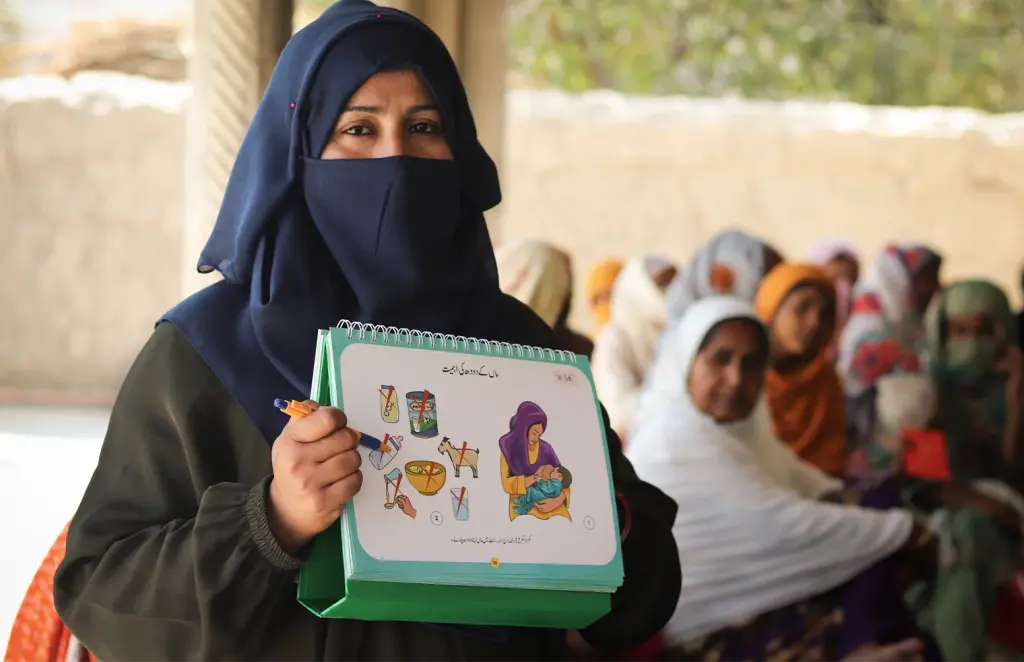
At the heart of the program are Lady Health Workers (LHWs), who serve as trusted links between families and healthcare facilities. By December 2025, more than 280 LHWs were trained in counseling, communication, and emergency referral practices. Their role extends beyond mothers, engaging husbands, mothers-in-law, and community leaders to build collective awareness.
The impact has been remarkable. In its first year, the program saved 120 mothers through timely management of postpartum hemorrhage and reached 70,000 mothers and caregivers with counseling sessions on safe delivery and newborn care. Families now act faster in emergencies, reducing delays that often prove fatal.
Partnerships have been key to success. UNICEF works closely with Pakistan’s health authorities to integrate training into national systems, while Haleon provides funding, expertise, and educational materials. The program also aligns with national health information systems, ensuring outcomes are tracked and policies strengthened.
Ultimately, Mothers Matter demonstrates that health literacy is lifesaving. By combining community engagement, tailored messaging, and strong partnerships, Pakistan is showing how maternal health outcomes can be transformed in underserved regions. This initiative is not just about awareness—it is about empowering families, strengthening systems, and saving lives.