
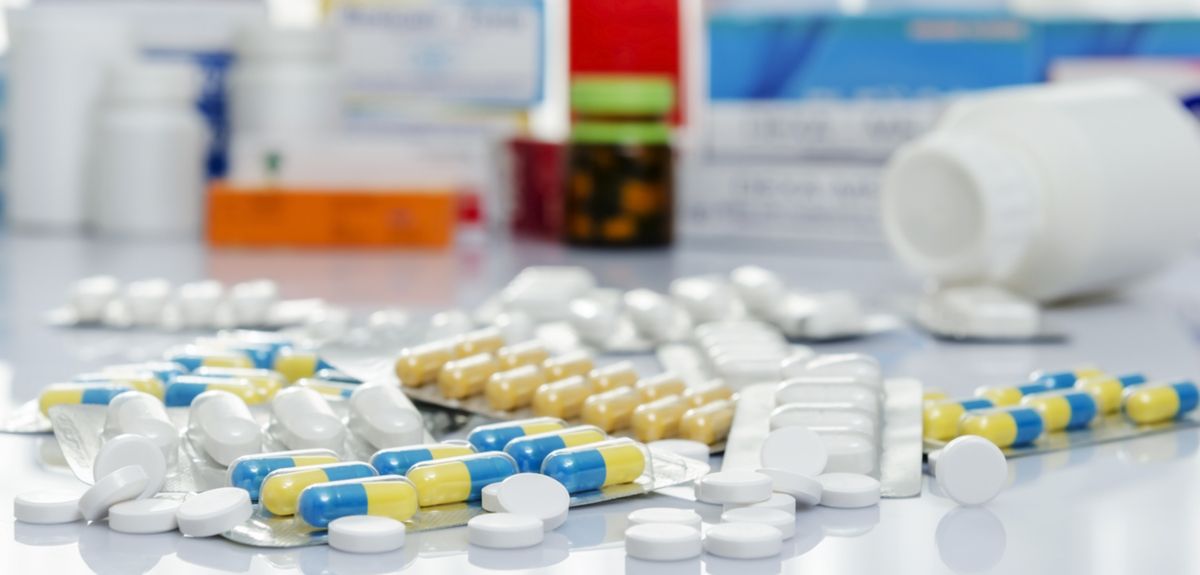
Government Clears Prices for Advanced Medicines
After years of delay, Pakistan’s federal government has approved the prices of 35 advanced life-saving drugs, a move expected to transform access to critical treatments across the country. The decision comes following strong advocacy from the Pakistan Pharmaceutical Manufacturers Association (PPMA) and intervention by Health Minister Syed Mustafa Kamal, who presented the urgency of the matter to Prime Minister Shehbaz Sharif.
The approval covers essential therapies for cancer, cardiovascular diseases, typhoid, and vaccines, including Typhoid Vi, polio, pneumococcal vaccines, coagulation factor VIII, rabies immunoglobulin, and Semaglutide. These medicines had been inaccessible due to prolonged delays in price fixation, forcing patients to rely on costly imports or unregulated alternatives.
Industry experts highlight that the delay not only disrupted supply chains but also put lives at risk. Patients often paid up to 10 times higher prices for imported versions of these drugs. With the new approvals, treatments will now be available at regulated and more affordable rates.
The Drug Regulatory Authority of Pakistan (DRAP) confirmed that the federal cabinet has finalized the decision, with an official notification expected imminently. This marks a significant step toward stabilizing the pharmaceutical sector and ensuring patients receive uninterrupted treatment.
While this is a major breakthrough, challenges remain. Forty-five additional advanced medicines are still awaiting price approval. PPMA officials have expressed optimism that these will be cleared soon, further expanding access to modern therapies.
Beyond domestic benefits, the approval also opens doors for Pakistan’s pharmaceutical industry to export advanced medicines to regional and global markets, strengthening the country’s position in healthcare innovation.
For patients and families, the impact is immediate and profound. Affordable access to life-saving drugs means better treatment outcomes, reduced financial strain, and renewed hope in the healthcare system. This decision underscores the importance of timely policy action in safeguarding public health and ensuring equitable access to essential medicines.


+ There are no comments
Add yours