
Sindh’s Rs30bn Package Targets Relief and Development
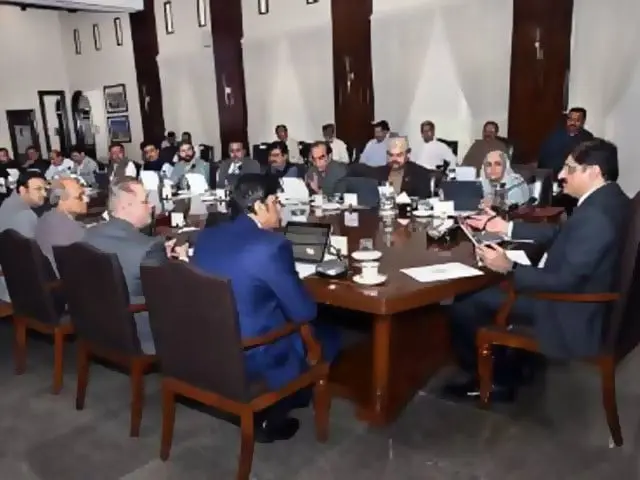
The Sindh cabinet has unveiled a comprehensive Rs30 billion package designed to deliver relief, accelerate development, and introduce governance reforms across the province. Chief Minister Murad Ali Shah emphasized that the initiative aims to support citizens struggling with inflation while strengthening infrastructure, healthcare, and education.
One of the most immediate measures is a Rs515 million fuel subsidy for fishermen in Karachi, Thatta, Sujawal, and Badin. Rising diesel prices had reduced fish production by 20%, threatening livelihoods. The subsidy will directly benefit 9,634 registered boats, with funds transferred to verified accounts.
Motorcyclists also received relief, as the fuel subsidy program was extended until May 31, 2026, with Rs2 billion allocated. Over 548,000 applicants have already received Rs2,000 each. Additionally, the cabinet reduced sales tax on motorcycle ride services from 5% to 2%, easing the burden on low-income drivers.
Infrastructure development is a major focus. Karachi will see Rs6.5 billion allocated for road restoration across 24 town municipal corporations, alongside Rs2 billion for sewage treatment under the S-III project. Other projects include a Rs1.2 billion road widening scheme, Rs900 million for drainage channels, and Rs800 million for water supply lines in Qasimabad.
Healthcare initiatives are equally significant. The cabinet approved Rs635 million for a 50-bed trauma and emergency centre at Ghulam Muhammad Medical College Hospital Sukkur, set to open by June 2026. Free healthcare access will be expanded through new facilities, while education projects include Rs90 million for an Early Childhood Education building at St. Patrick’s High School Karachi and Rs80 million for an orphanage in Umerkot.
Governance reforms include digitisation of court cases, restructuring of the Sehwan Development Authority, and the establishment of an anti-encroachment tribunal in Shaheed Benazirabad. A China Desk will also be set up to facilitate investment agreements following President Asif Ali Zardari’s recent visit to China.
The package further supports environmental sustainability through the World Bank-backed Pak Flow project, aimed at reducing methane emissions at the Jam Chakro landfill and generating carbon credits.
By combining relief subsidies with long-term development and governance reforms, Sindh’s Rs30 billion package represents a bold step toward improving public welfare and modernizing provincial infrastructure. It reflects a commitment to balancing immediate citizen needs with sustainable growth.


+ There are no comments
Add yours