
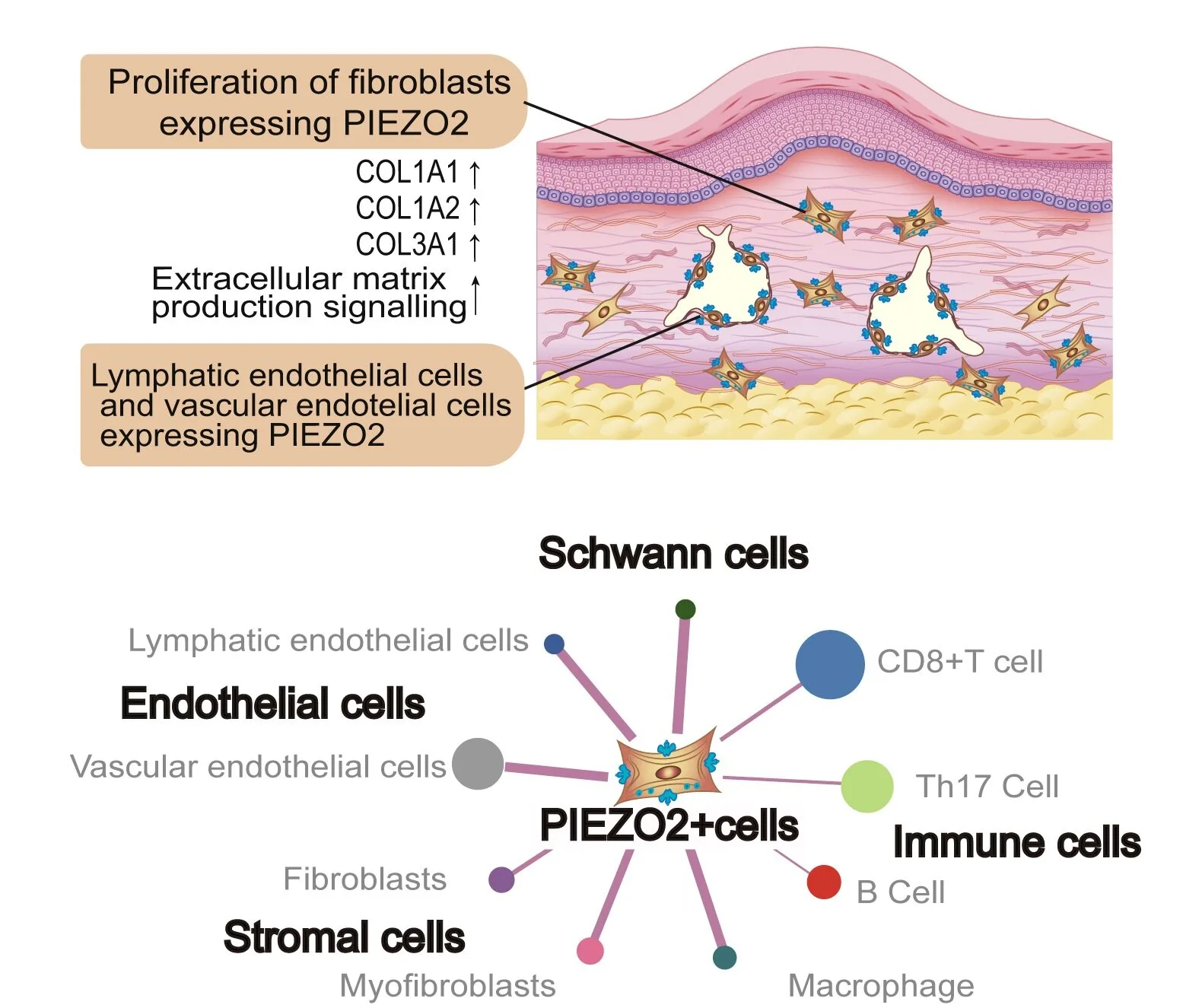
Scientists identify fibroblast type linked to growth and return of excessive scars
Understanding Keloids: Causes, Symptoms, and Management
Keloids are raised scars that grow larger than the original wound. They can appear after any kind of skin injury, like cuts, burns, surgery, or even acne. These scars aren’t just a cosmetic issue; they often come with uncomfortable symptoms and can be tough to treat.
What are Keloids?
Unlike normal scars that fade over time, keloids continue to grow, sometimes extending well beyond the initial injury site. They are characterized by:
- Raised, bumpy texture
- Shiny, hairless appearance
- Color that’s darker or lighter than surrounding skin
Common Keloid Locations
Keloids are most commonly found on the:
- Chest
- Shoulders
- Ears
- Upper back
Symptoms of Keloids
Beyond their appearance, keloids can cause a range of symptoms, including:
- Itching
- Pain or tenderness
- Burning sensation
- Restricted movement if the keloid is near a joint
Why Do Keloids Form?
The exact cause of keloids isn’t fully understood, but they’re thought to be the result of an overproduction of collagen during the healing process. Several factors can increase your risk of developing keloids:
- Genetics: Keloids tend to run in families.
- Skin Tone: People with darker skin are more prone to keloids.
- Age: Keloids are more common in people between the ages of 10 and 30.
- Injury Type: Certain types of injuries, like burns or surgical incisions, are more likely to result in keloids.
Keloid Treatment Options
Treating keloids can be challenging, and there’s no one-size-fits-all solution. Options include:
- Steroid Injections: Help to reduce inflammation and flatten the keloid.
- Surgical Removal: Cutting out the keloid, but there’s a high risk of it growing back, sometimes larger than before.
- Radiation Therapy: Used after surgery to help prevent the keloid from returning.
- Laser Therapy: Can help to flatten and fade keloids.
- Silicone Sheets or Gels: Applied topically to help soften and flatten the keloid.
Important Considerations
It’s important to talk to a dermatologist or healthcare professional about the best treatment plan for your specific situation. Recurrence rates can be high, so a combination of treatments may be necessary.
Final Words
Keloids can be a source of discomfort and concern, but understanding their causes, symptoms, and treatment options is the first step toward managing them effectively. With the right approach and guidance from a healthcare professional, you can find a solution that works for you.