
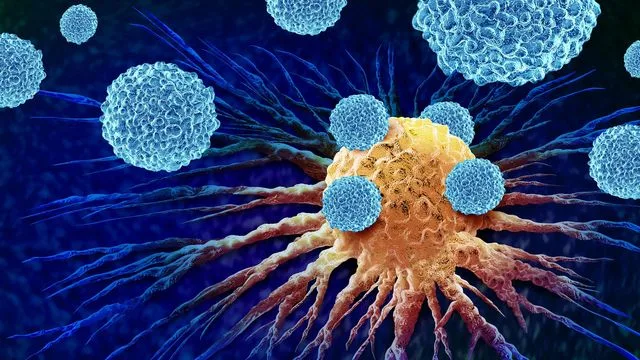
Revolutionary Nanomaterial Enhances Cancer Drug Delivery
Scientists have engineered a groundbreaking pH-responsive nanomaterial poised to significantly improve drug delivery to cancer cells. This innovative approach not only boosts drug uptake but also cleverly evades detection and clearance by the body’s immune system, potentially leading to more effective cancer treatments.
The Science Behind the Innovation
The nanomaterial’s unique design allows it to react to the slightly acidic environment characteristic of cancer cells. This pH-sensitivity triggers the release of the drug directly at the tumor site, maximizing its impact while minimizing exposure to healthy tissues.
Key Features of the Nanomaterial:
- pH-Responsive: Specifically targets the acidic environment of cancer cells.
- Enhanced Drug Uptake: Facilitates increased absorption of the drug by cancer cells.
- Immune Evasion: Minimizes recognition and removal by the immune system, prolonging circulation and effectiveness.
Potential Benefits for Cancer Treatment
This novel technology holds immense promise for revolutionizing cancer therapy. By improving drug delivery and reducing side effects, it could lead to:
- More effective tumor control.
- Reduced toxicity to healthy cells.
- Improved patient outcomes.
Future Directions
Researchers are continuing to refine this nanomaterial and explore its potential for delivering a wide range of anti-cancer drugs. Clinical trials are anticipated to assess its safety and efficacy in humans, bringing us closer to a new era of targeted cancer treatments.
Final Overview
The development of this pH-responsive nanomaterial represents a significant step forward in cancer drug delivery. Its ability to selectively target cancer cells while evading the immune system offers a compelling strategy for improving treatment efficacy and reducing adverse effects. This innovative approach holds great promise for transforming the landscape of cancer therapy.

+ There are no comments
Add yours