
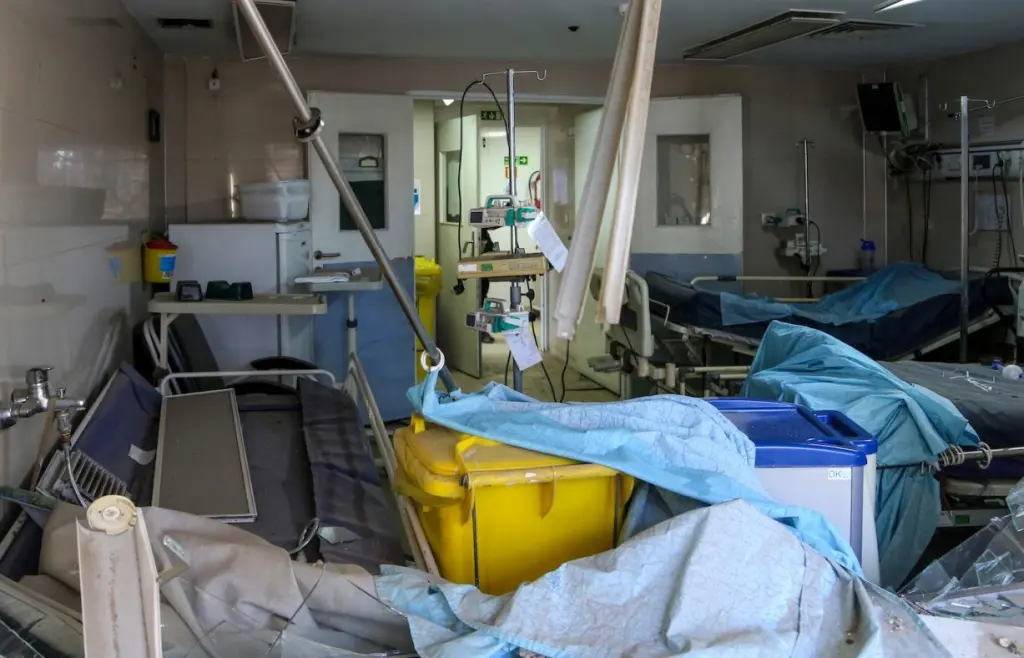
Global Health Agencies Condemn Rising Attacks on Medical Services
Health Care Under Siege in Conflict Zones
Three of the world’s leading health organizations—the World Health Organization (WHO), the International Committee of the Red Cross (ICRC), and Doctors Without Borders (MSF)—have issued a powerful joint statement condemning the rise in attacks on health services across conflict-affected regions.
The statement marks the 10th anniversary of UN Security Council Resolution 2286, which unanimously condemned violence against hospitals, medical staff, and patients. Yet, a decade later, the agencies warn that the situation has worsened rather than improved.
According to the joint declaration, violence targeting medical facilities, transport, and personnel continues unabated. In many areas, attacks have intensified, undermining the very norms designed to limit the harm of war. The agencies emphasize that when health care is no longer safe, it signals a breakdown of humanitarian rules and protections.
The consequences are devastating:
- Hospitals under attack leave communities without essential care.
- Medical staff targeted face life-threatening risks, reducing the availability of skilled professionals.
- Patients caught in conflict lose access to lifesaving treatment, compounding humanitarian crises.
The organizations describe this as not only a humanitarian crisis but a crisis of humanity itself. They stress that protecting health care is a fundamental obligation under international humanitarian law, and all parties to armed conflict must comply.
The joint call urges world leaders to show political courage and take concrete steps to end violence against health services. Without decisive action, the erosion of protections for medical care will continue to deepen global suffering.
Their message is clear: “Health care must never be a casualty of war.” This urgent appeal highlights the need for stronger accountability, enforcement of international norms, and unwavering commitment to safeguarding hospitals, health workers, and patients in times of conflict.