
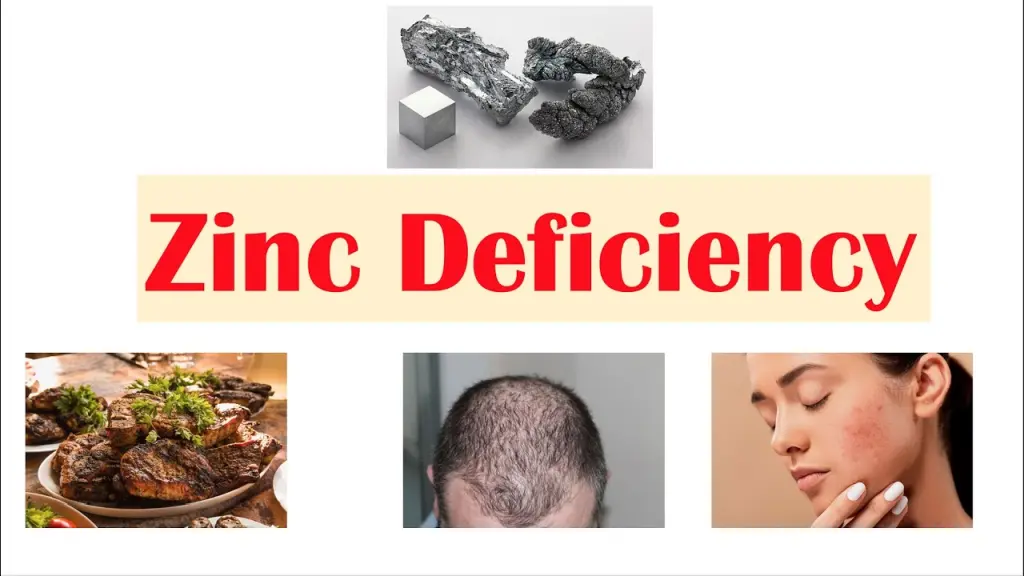
Zinc Deficiency: A Hidden Health Crisis in Pakistan
The Silent Impact of Zinc Deficiency on Pakistan’s Health
Zinc deficiency is quietly shaping the health of millions in Pakistan, yet it remains under-recognized. This essential micronutrient plays a vital role in immunity, growth, and reproductive health, but surveys reveal alarming gaps in intake across the population.
National nutrition data shows that 18–22% of children and 1 in 5 women of reproductive age are zinc deficient. Overall, more than 60 million Pakistanis consume inadequate zinc. The consequences are visible in the country’s high rates of stunting, with 35–40% of children under five affected.
The root causes are largely dietary. Pakistan’s staple foods—wheat and rice—are rich in phytates, compounds that block zinc absorption. Meanwhile, zinc-rich foods like meat, fish, eggs, and dairy are often unaffordable for low-income families. Poverty, food insecurity, and limited awareness about balanced diets further deepen the crisis.
Doctors highlight the seriousness of this deficiency. Six to seven out of every ten children under five visiting clinics show signs of low zinc. Paediatric experts estimate that 40% of preschool children are affected, leaving them vulnerable to infections such as diarrhoea and pneumonia—two leading causes of child mortality in Pakistan.
For women, zinc is equally critical. Deficiency can impair fertility, complicate pregnancy, and pass risks on to newborns. Poor maternal nutrition perpetuates cycles of deficiency across generations.
The health effects are wide-ranging. Zinc supports hair, nails, skin, wound healing, and digestive health. Without it, immunity weakens, appetite drops, and recovery from illness slows.
Addressing this challenge requires a multi-pronged approach:
- Food fortification of staples like wheat flour.
- Supplementation programs for children and pregnant women.
- Dietary diversification, encouraging affordable zinc-rich foods such as legumes, lentils, and eggs.
- Public awareness campaigns to promote balanced nutrition.
- Maternal and child health initiatives to break intergenerational cycles of deficiency.
Experts recommend timely weaning practices, introducing complementary foods at six months, and gradually adding animal-based proteins from nine months onward. Regular check-ups to monitor growth and early supplementation can make a significant difference.
Zinc may be a trace element, but its impact on health is profound. Tackling this hidden crisis is essential for building a healthier, stronger Pakistan.