
Silent Killer Diseases Uncovered in Pakpattan Screening Drive
A large-scale health screening initiative in Pakpattan has uncovered serious health challenges among both the general population and prison inmates. Over three days, medical teams tested thousands of citizens across seven locations, including hospitals, rural health centers, and the District Jail.
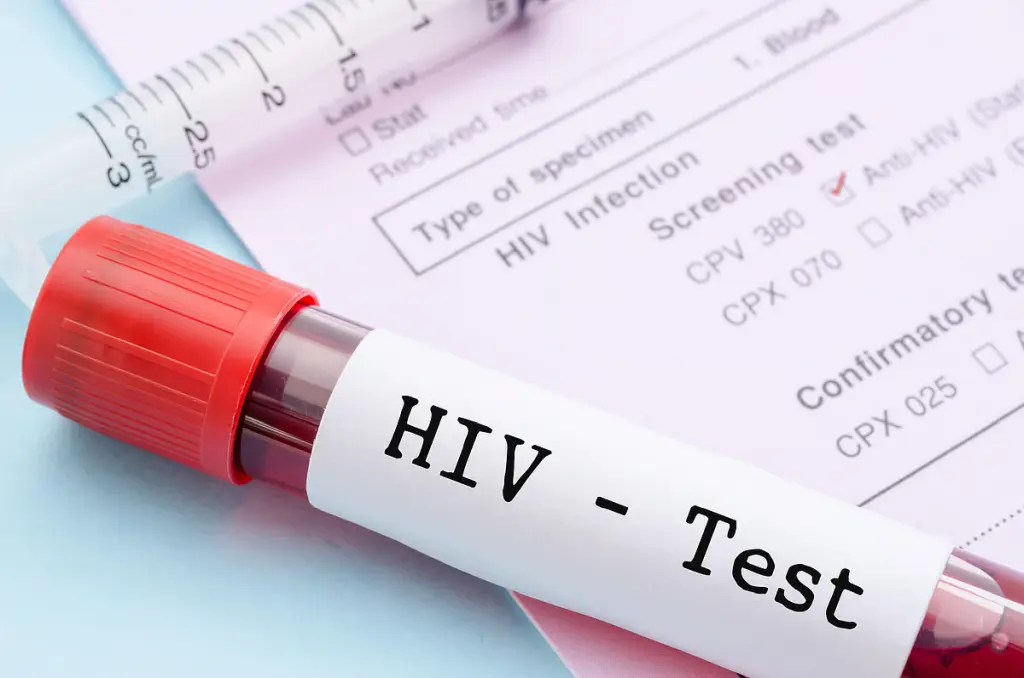
Among the most concerning findings were six cases of HIV and 13 cases of Hepatitis C detected among prisoners. Officials stressed that these results highlight the vulnerability of prison populations, where limited access to healthcare often allows communicable diseases to spread unchecked.
The campaign also identified 83 Hepatitis C cases, five Hepatitis B cases, and 65 tuberculosis cases across the district. In addition, 293 patients were diagnosed with Type 2 diabetes and two with Type 1 diabetes, reflecting the growing burden of chronic illnesses.
Deputy Commissioner Asif Raza, who supervised the initiative, emphasized that the program was designed to detect “silent killer diseases” that often remain hidden until advanced stages. He noted that early detection can significantly improve treatment outcomes and reduce mortality rates.
Medical teams, including 260 doctors and paramedics, ensured strict quality standards during the screenings. Citizens also benefited from preventive services: 1,027 individuals were vaccinated against Hepatitis B, while hundreds received counseling, therapeutic food, and family planning support.
Health experts, including Dr. Fozia Kanwal and Dr. Maria, praised the initiative for its impact on vulnerable communities. They highlighted that mass screening not only saves lives but also prevents further transmission of diseases such as HIV, Hepatitis, and TB.
The District Headquarters Hospital recorded the highest turnout, screening over 3,193 citizens, while 900 inmates were examined at the District Jail. Certificates of appreciation were awarded to medical staff for their dedication.
This campaign underscores the importance of extending healthcare services to marginalized groups, particularly prisoners. By identifying and addressing these health challenges early, authorities aim to build a healthier, more resilient society in Punjab.



+ There are no comments
Add yours