
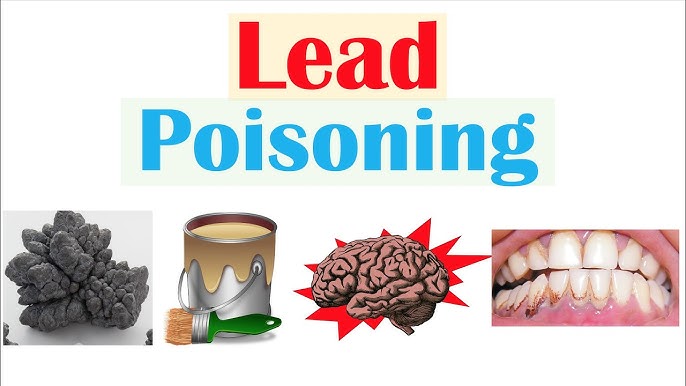
A National Emergency Threatening Pakistan’s Children
Pakistan is grappling with a hidden health emergency: lead poisoning in children. Recent findings from UNICEF and the Ministry of Health reveal that more than 40% of children in high-risk areas have elevated lead levels in their blood. Experts warn that no level of lead is safe, and its impact on developing brains is irreversible.
This crisis comes on top of an already dire situation. Nearly 40% of Pakistani children are severely malnourished, a condition that alone reduces IQ and hinders brain development. When combined with lead exposure, the damage multiplies, leaving children with diminished intellectual capacity and greater vulnerability to disease.
The sources of lead contamination are widespread. Battery recycling plants near residential areas, contaminated food and spices, old water pipes, and lead-based paints are among the biggest culprits. Industrial pollution further compounds the problem, exposing communities to toxic environments daily.
Globally, many countries phased out lead decades ago, recognizing its dangers. Even India has managed to regulate major sources of exposure. Pakistan, however, has lagged behind, failing to enforce strict controls or prioritize preventive child health.
For the first time, authorities have openly acknowledged the issue, a step experts consider crucial. But recognition alone is not enough. Long-term strategic planning, strict regulation of polluting industries, and widespread testing of children in high-risk areas are urgently needed. Prevention and care must go hand in hand to safeguard future generations.
The consequences of inaction are severe. With nearly half of Pakistan’s children compromised by malnutrition, lead exposure, HIV outbreaks, and lack of education, the nation risks losing its intellectual capital. This is not just a health issue—it is a threat to national survival.
Children are the future, yet they are being neglected. Declaring lead poisoning a national emergency is the first step toward mobilizing resources and protecting Pakistan’s most valuable asset: its next generation. Without immediate action, the damage may already be too great to reverse.


+ There are no comments
Add yours