
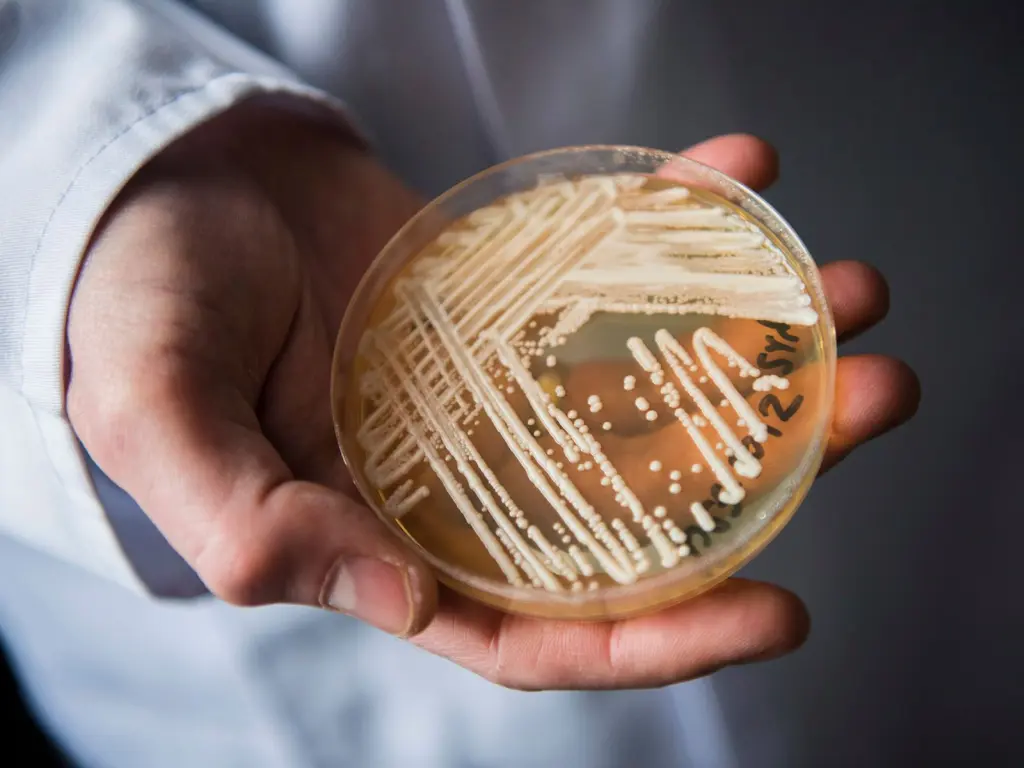
The Growing Threat of Antifungal Resistance
Drug-resistant fungi are emerging as one of the most pressing global health challenges, with experts warning that the issue has not received the same attention as bacterial and viral resistance. Vulnerable patients, especially those with weakened immune systems, face life-threatening risks from infections that are increasingly difficult to treat.
A team of fifty researchers from sixteen organizations, led by Professor Paul Verweij of Radboud University Medical Center, has published a landmark call to action in Nature Medicine. Their findings highlight the urgent need to integrate antifungal resistance into the World Health Organization’s Global Action Plan on Antimicrobial Resistance, which is due for an update later this year.
The proposed five-step plan includes:
- Raising awareness about antifungal resistance.
- Strengthening global surveillance systems.
- Improving infection prevention and control.
- Optimizing the use of antifungal medicines.
- Increasing investment in research, diagnostics, and new treatments.
The threat is widespread. Candida auris, a hospital-associated fungus, can cause severe bloodstream infections, with one in three patients not surviving. Aspergillus fumigatus, commonly inhaled, can severely damage lungs, especially in ICU patients. Meanwhile, Trichophyton indotineae is spreading drug-resistant skin infections that are difficult to treat.
Experts emphasize that resistance often originates in agriculture. Fungicides used to protect crops are chemically similar to antifungal drugs used in healthcare. Long-term exposure in farming environments allows fungi to develop resistance, which then spreads through the air and undermines medical treatments. This dual-use problem highlights the need for a One Health approach, aligning agricultural practices with healthcare risk assessments.
Developing new antifungal drugs remains a major challenge. Unlike bacteria, fungi share structural similarities with human cells, making treatments prone to side effects. Only five new classes of antifungal drugs have been developed in the past 75 years, underscoring the importance of preventing resistance rather than relying solely on new medicines.
WHO officials stress that more data and evidence are needed to guide global responses. Without urgent action, antifungal resistance could mirror the devastating impact of unchecked antibacterial resistance, costing countless lives.
This new strategy represents a turning point. By prioritizing surveillance, prevention, and investment, the global community has a chance to stay ahead of drug-resistant fungi and protect both patient care and food security.


+ There are no comments
Add yours