
Pakistan Calls for Stronger Protections for Medical Care in War Zones
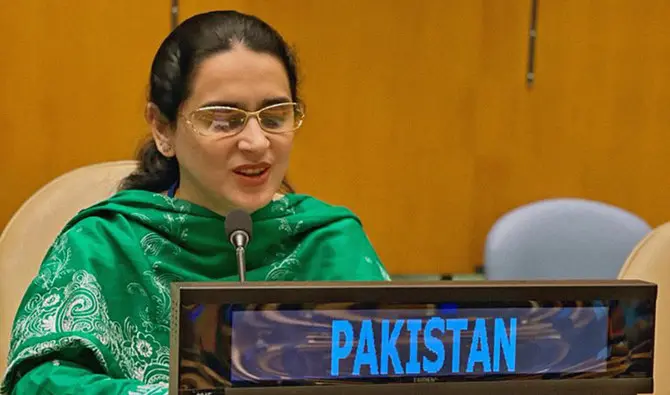
At the United Nations, Pakistan has put forward a series of measures to ensure medical safety during armed conflicts. Speaking at a Security Council meeting marking the tenth anniversary of Resolution 2286, Pakistan’s delegate Saima Saleem emphasized that hospitals must remain places of healing, not targets of violence.
She stressed that doctors and nurses should be able to save lives without risking their own, and that the wounded and sick must be protected from deliberate attacks. The Pakistani representative warned that repeated assaults on medical facilities in conflict zones and under foreign occupation can push entire health systems toward collapse.
Pakistan reaffirmed its commitment to international humanitarian law, calling on all parties in armed conflicts to respect obligations to protect medical personnel, humanitarian workers, hospitals, and equipment. Saleem highlighted the importance of prevention through rules of engagement, safe access protocols, risk assessments, and operational planning. She also underscored the need for accountability, urging credible documentation, independent investigations, and effective measures against violations.
The deliberate targeting of hospitals and medical facilities was described as a grave crime that must never be met with silence or impunity. Pakistan also raised concerns about cyber operations against hospitals and the misuse of medical data, warning that such actions endanger civilian lives and undermine protections owed to medical care.
Finally, Pakistan emphasized that the best protection for civilians lies in the peaceful resolution of conflicts in line with the UN Charter, reaffirmed in Resolution 2788 adopted unanimously in 2025. Saleem concluded by stating that protecting medical care is not only a legal obligation but also a humanitarian necessity and a test of shared humanity.


+ There are no comments
Add yours