
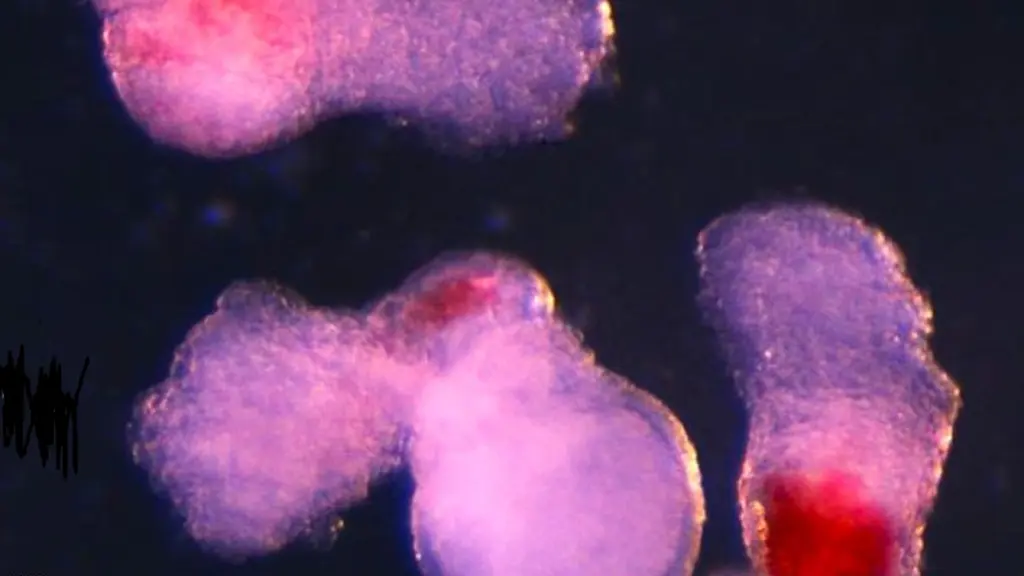
Skin Organoids Unlock New Possibilities in Wound Healing
A groundbreaking study has shown that lab-grown human skin organoids can develop functional blood vessels, mimicking many of the features of natural skin. These microvascular networks not only supply oxygen and nutrients but also respond to inflammation and regenerate after injury, making them a powerful tool for medical research.
Published in The American Journal of Pathology, the research highlights how stem cell-derived skin organoids form arterial-like microvessels supported by mural cells. These vessels mature over time and replicate the physiological responses of native human skin, including inflammation triggers and repair mechanisms.
Blood vessels are essential for wound healing, as they deliver immune cells and nutrients to damaged tissue. In conditions like diabetic foot ulcers, impaired microvascular function slows healing and increases infection risk. By replicating these vascular responses, the organoid model provides a platform for studying chronic wounds and testing targeted therapies.
Lead investigator George F. Murphy described the system as a novel model for studying vascular pathology in a skin-like environment. Co-author Anthony R. Sheets emphasized its potential for exploring diabetic microvasculopathy and other conditions affecting small arteries.
The breakthrough also opens doors for clinical applications. Researchers aim to refine the organoid system by incorporating venous and lymphatic vessels, expanding its use in testing therapies that promote vascular repair and modulate inflammation. Coupled with advanced wound imaging and biomarker monitoring, this innovation could accelerate translation into patient care.
Ultimately, lab-grown skin organoids represent a major step toward personalized wound care solutions. By enabling earlier intervention and improved healing trajectories, they hold promise for reducing complications in patients with chronic wounds and advancing the field of regenerative medicine.


+ There are no comments
Add yours