
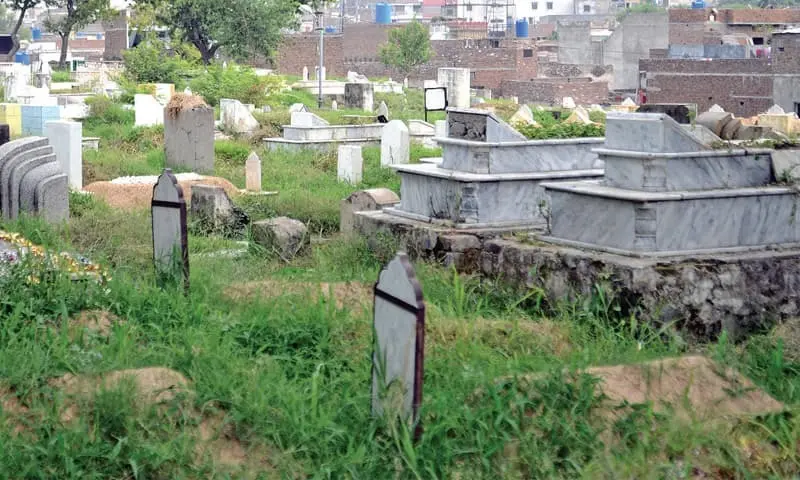
Graveyard Neglect Turns Into a Public Health Crisis
Rawalpindi is facing a growing health and safety challenge as 54 graveyards across the city remain neglected due to funding shortages and poor municipal upkeep. Overgrown vegetation, stagnant water, and infestations of snakes and mosquitoes have turned these burial sites into potential breeding grounds for disease.
Residents report that wild bushes and even cannabis plants have grown unchecked, reaching five to six feet in height and covering graves. This uncontrolled vegetation has created ideal conditions for snakes and insects to thrive. In one cemetery, two goats recently died after snake bites, highlighting the severity of the situation.
The problem worsened after recent rainfall left stagnant water pools in many graveyards. Locals fear these waterlogged areas could trigger outbreaks of dengue and malaria, as mosquitoes spread into nearby neighborhoods during the evening. Traders near Dhoke Elahi Bakhsh cemetery revealed they had killed three poisonous snakes in just one week, underscoring the immediate danger.
Residents are demanding urgent action, including:
- Clearing overgrown vegetation
- Replacing broken streetlights that have been out of order for a year
- Draining stagnant water to prevent mosquito breeding
- Resuming anti-larvae spraying halted due to exhausted municipal funds
Deputy Commissioner Hasan Waqar Cheema has taken notice of the crisis, directing authorities to begin immediate cleanup operations. He warned of strict action against officials if directives are not implemented.
The neglected graveyards are no longer just a maintenance issue—they have become a serious public health and safety concern. With funeral prayers often held after sunset, the presence of snakes and disease-carrying insects poses risks not only to residents but also to grieving families attending burials.
Rawalpindi’s graveyard crisis highlights the urgent need for sustained municipal funding, regular sanitation measures, and community vigilance to safeguard both public health and the dignity of burial sites.

+ There are no comments
Add yours