
Unlocking Bacterial Survival: A New Target for Infection Control
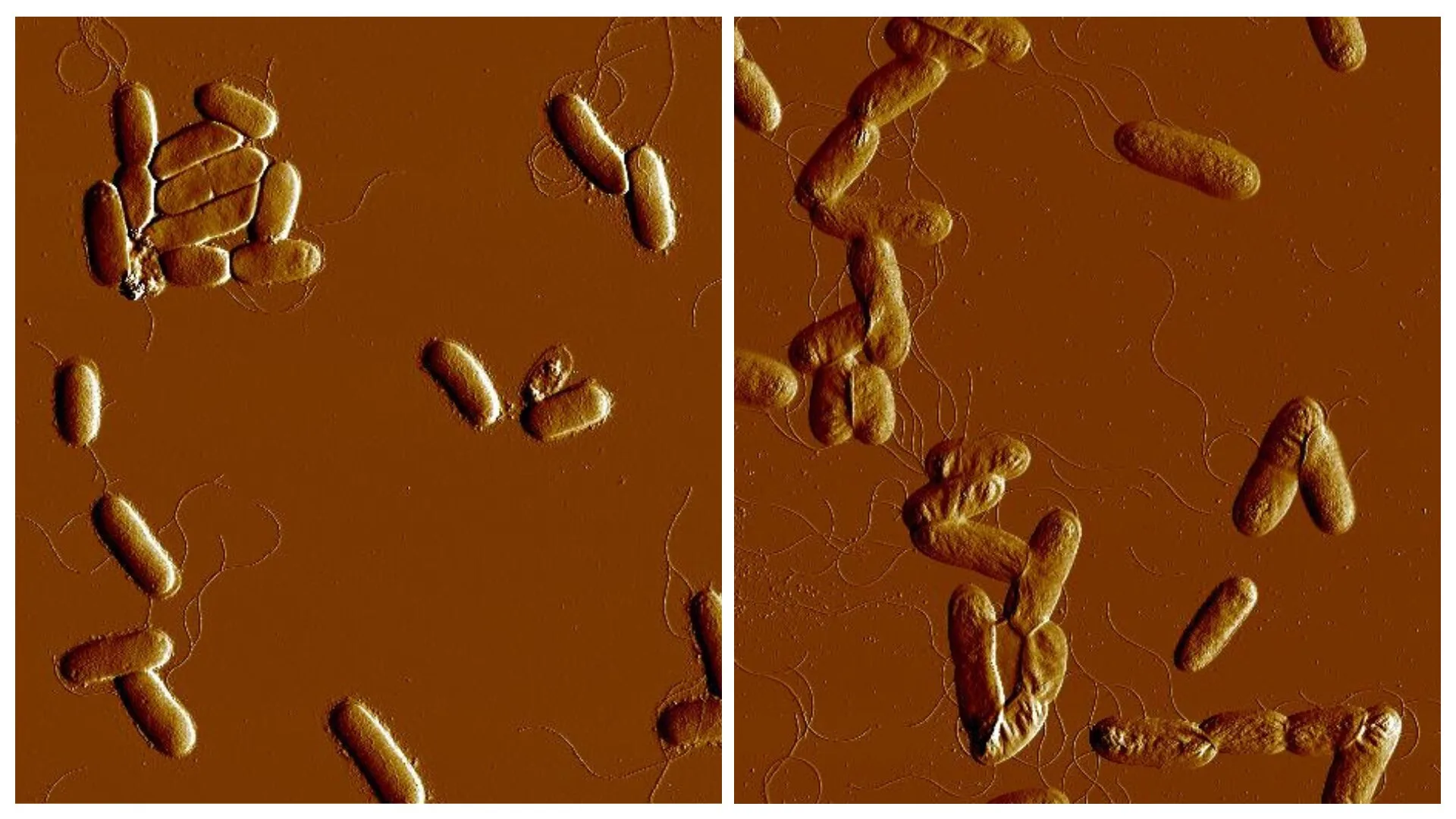
Scientists at Umeå University have made a significant breakthrough in understanding how bacteria withstand the body’s defenses. Their research, featured in the journal mBio, pinpoints the RfaH protein as a crucial protector of bacterial genes, potentially paving the way for novel approaches to combat stubborn infections.
The Role of RfaH in Bacterial Defense
Bacteria face a challenging environment within the human body. To survive and thrive, they’ve developed intricate mechanisms to shield themselves from the host’s immune system. This study sheds light on one such mechanism, revealing how the RfaH protein acts as a molecular bodyguard.
Protecting Bacterial Genes
RfaH’s primary function is to safeguard bacterial genes from the body’s natural defenses. By shielding these genes, RfaH ensures that bacteria can continue to function and multiply, leading to persistent infections that are difficult to treat.
Implications for New Therapies
The discovery of RfaH’s role opens up exciting possibilities for developing new antibacterial strategies. By targeting RfaH, researchers hope to weaken bacteria and make them more susceptible to existing antibiotics or the body’s own immune system.
- Disrupting RfaH could cripple bacteria’s defenses.
- This could lead to more effective treatments for chronic infections.
- New drugs could be designed to specifically target RfaH.
Future Directions
While this research is promising, further studies are needed to fully understand the intricacies of RfaH’s function and to develop effective RfaH-targeting therapies. However, this discovery represents a significant step forward in the fight against bacterial infections.
Next steps might include:
- Detailed analysis of RfaH’s structure and interactions.
- Testing potential RfaH inhibitors in laboratory settings.
- Evaluating the efficacy of RfaH-targeting drugs in animal models.
Final Words
The identification of RfaH as a key player in bacterial survival offers a beacon of hope in the ongoing battle against infectious diseases. This research highlights the importance of understanding the molecular mechanisms that bacteria use to evade our immune systems, and it provides a promising new avenue for developing more effective treatments.

+ There are no comments
Add yours