
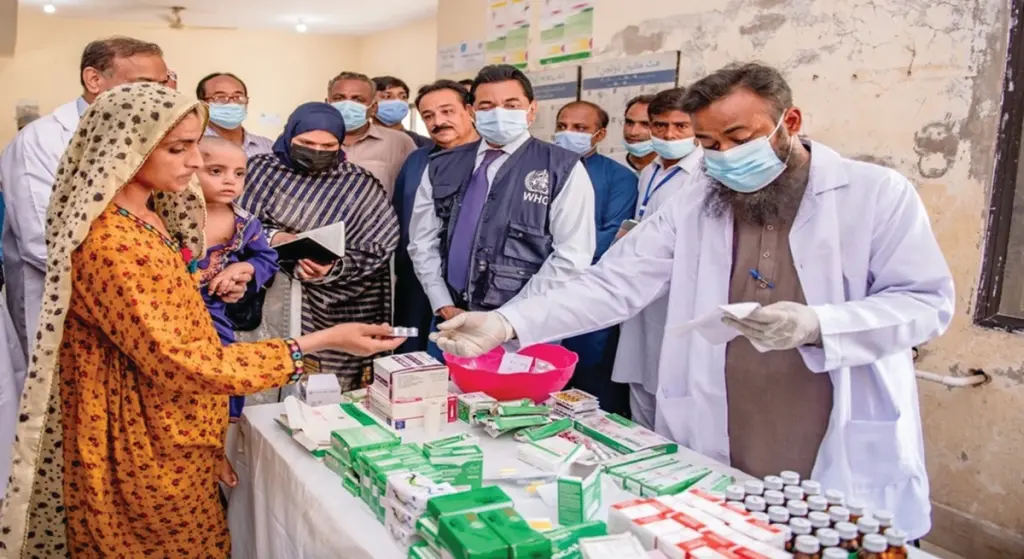
Out-of-Pocket Payments: The Hidden Tax on Pakistan’s Sick
The Financial Strain of Healthcare in Pakistan
Healthcare in Pakistan is becoming increasingly unaffordable for ordinary citizens. Out-of-pocket payments—direct expenses made by patients for medical services—are acting as a hidden tax on the sick, disproportionately affecting vulnerable families.
Health Minister Mustafa Kamal recently highlighted that while Pakistan has made strides in expanding healthcare facilities, the reliance on out-of-pocket spending continues to expose systemic weaknesses. Families often face catastrophic expenses when dealing with serious illnesses, forcing them into debt or poverty.
The issue stems from limited health insurance coverage and inadequate public financing. With only a fraction of the population covered under government or private insurance schemes, most citizens must pay directly for consultations, medicines, and hospital care. This creates a two-tiered system, where wealthier individuals can afford treatment while poorer households struggle to access even basic services.
Experts warn that out-of-pocket payments not only burden families but also discourage people from seeking timely medical help. Delayed treatment often leads to worsening conditions, higher costs, and preventable deaths.
The government has acknowledged the need for structural reforms. Expanding health insurance, strengthening public hospitals, and regulating private healthcare costs are among the measures being considered. Officials argue that reducing reliance on out-of-pocket payments is essential to achieving health equity and universal access.
Ultimately, the challenge is clear: healthcare should not be a financial trap. By addressing the hidden tax of out-of-pocket payments, Pakistan can move toward a system where medical care is a right, not a privilege, and where families are protected from financial ruin when illness strikes.