
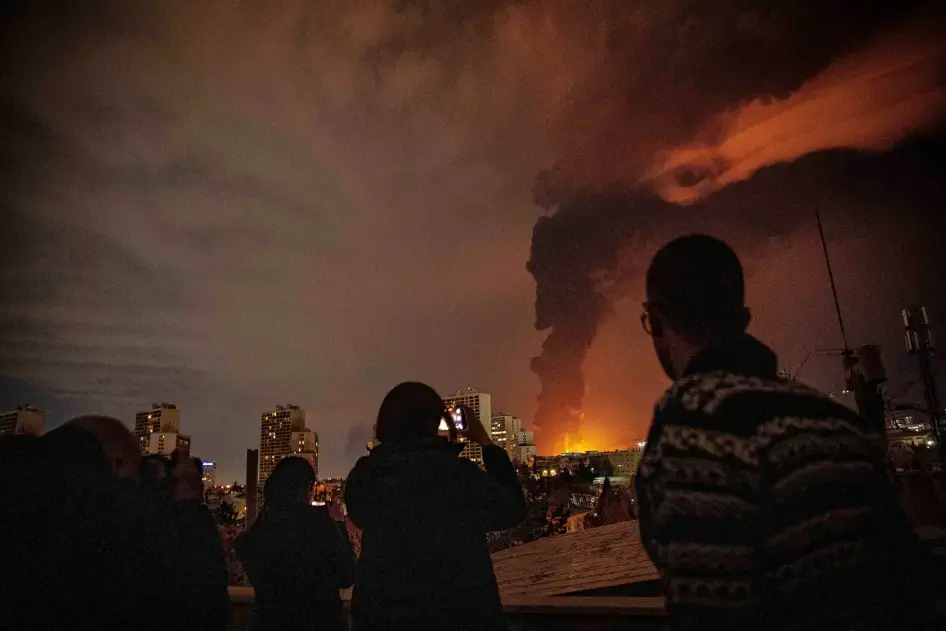
Iran-Israel Oil Depot Strikes Raise Environmental and Health Concerns
Environmental and Health Risks from Oil Depot Strikes
Human Rights Watch has raised alarm over the environmental and health consequences of Israeli strikes on Iranian oil depots. The organization emphasized that such attacks not only escalate regional tensions but also pose severe risks to civilian populations.
Explosions at oil facilities release toxic substances into the air, soil, and water, creating long-term hazards for communities living nearby. Experts warn that exposure to pollutants can lead to respiratory illnesses, cardiovascular problems, and other serious health conditions.
Beyond immediate casualties, the destruction of oil depots threatens ecological stability. Contaminants seep into groundwater and agricultural land, undermining food security and public health. These impacts often persist long after the conflict subsides, leaving vulnerable populations to bear the burden.
Human Rights Watch urged all parties to respect international humanitarian law and avoid targeting civilian infrastructure. The organization stressed that accountability is essential to prevent further harm and to ensure that environmental and health protections are upheld during armed conflicts.
The strikes highlight the broader issue of how warfare increasingly affects not just human lives but also the environment. As conflicts intensify, the collateral damage to ecosystems and public health becomes a pressing global concern, demanding urgent international attention and action.