
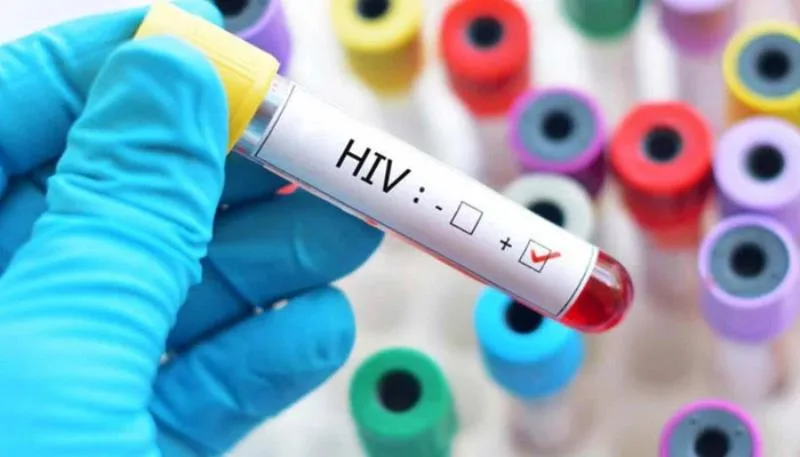
HIV/AIDS Cases Surge in Pakistan as Government Bans Unsafe Syringes
Pakistan Confronts Rising HIV/AIDS Cases with Syringe Ban
Pakistan is facing a sharp surge in HIV/AIDS cases, prompting urgent government action to curb the spread of the virus. Federal Health Minister Mustafa Kamal revealed in the National Assembly that five types of syringes have been banned nationwide after investigations linked their reuse to rising infections.
Growing Numbers and Hotspots
According to official figures, 366,000 people in Pakistan are currently living with HIV/AIDS. Recent reports highlight increasing cases in Islamabad and Taunsa (Punjab), raising alarm over the virus’s spread in both urban and rural communities.
Tackling Unsafe Practices
Minister Kamal explained that the reuse of contaminated syringes has been a major driver of infections. By banning unsafe syringe types, the government aims to reduce transmission risks and enforce stricter medical practices across hospitals and clinics.
Government’s Response
Prime Minister Shehbaz Sharif has formed a special committee to oversee prevention strategies and coordinate efforts between federal and provincial authorities. The government is working to strengthen public health awareness, testing facilities, and treatment programs to control the epidemic.
Dispelling Myths
Kamal emphasized that HIV/AIDS is not an incurable disease, stressing the importance of early detection and treatment. With proper medical care, patients can manage the condition and live healthier lives, reducing stigma and misinformation surrounding the illness.
Looking Ahead
The rise in HIV/AIDS cases highlights the urgent need for public education, safe medical practices, and stronger healthcare infrastructure. By banning unsafe syringes and mobilizing national resources, Pakistan is taking decisive steps to protect vulnerable communities and prevent further escalation of the epidemic.
This development underscores the importance of sustained investment in healthcare and awareness campaigns, ensuring that prevention and treatment remain accessible to all citizens.