
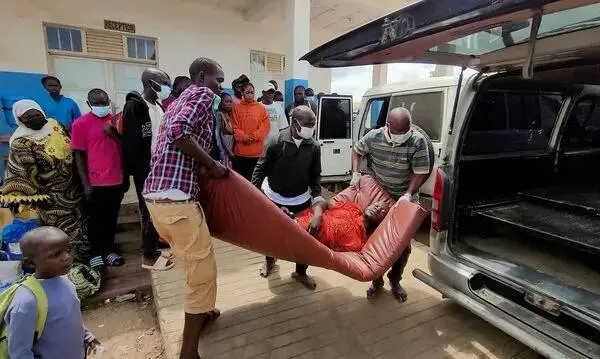
WHO Highlights Regional Risks of Ebola Spread
The World Health Organization (WHO) has issued a statement clarifying that the ongoing Ebola outbreak in the Democratic Republic of Congo (DRC) poses a high risk regionally but remains a low threat globally.
The outbreak, driven by the Bundibugyo strain, has already caused over 130 deaths and continues to spread across provinces in Congo. Neighboring countries, particularly Uganda, have reported cases linked to cross-border movement, raising concerns about regional transmission.
WHO officials emphasized that while the outbreak is serious, the likelihood of it spreading beyond Africa is limited. The organization noted that international travel screening, surveillance systems, and containment measures are in place to reduce global risk.
However, the regional impact is significant. Countries bordering Congo are being urged to strengthen health monitoring, improve preparedness, and engage communities to prevent further escalation. The fragile health infrastructure in conflict-affected areas of Congo makes containment more challenging, increasing the urgency for coordinated action.
Experts stress that public awareness, vaccination research, and rapid response teams are critical to managing the outbreak. While the global community may not face immediate danger, the regional situation demands sustained attention and resources to protect vulnerable populations.
This measured assessment by WHO underscores the importance of distinguishing between regional health emergencies and global threats, ensuring that responses are both proportionate and effective.
Leave a Reply