
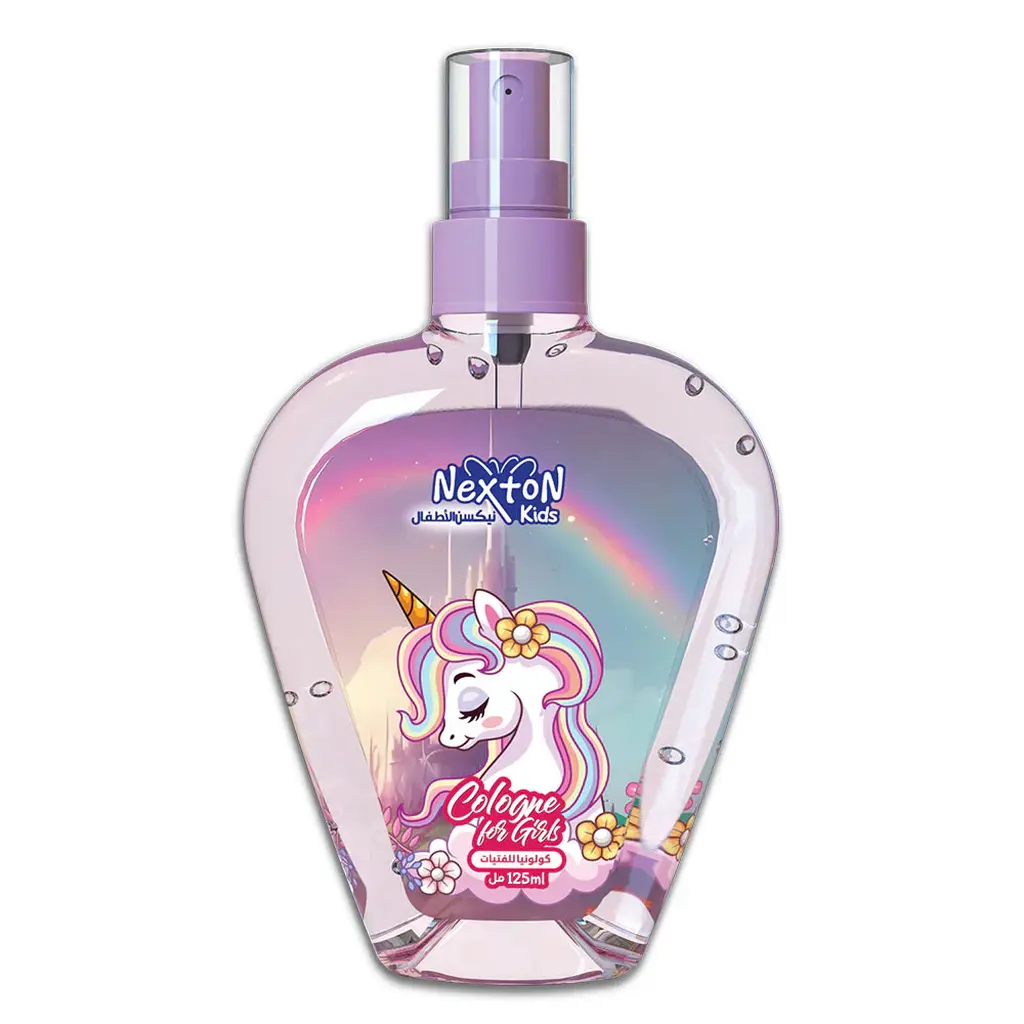
Fragrance Chemicals and Their Impact on Children’s Health
Health specialists in Pakistan have raised alarms over the widespread use of artificial fragrances in personal care and household products, warning that these chemicals may contribute to early puberty in children.
Speaking on a morning show, a leading dietitian explained that products such as perfumes, lipsticks, scented creams, shampoos, soaps, detergents, body sprays, air fresheners, and candles often contain synthetic compounds that can disrupt the body’s hormonal system.
These chemicals, including parabens and synthetic musks, are classified as endocrine-disrupting substances. They mimic natural hormones like estrogen, potentially interfering with normal growth and development. When absorbed through the skin or inhaled, they enter the bloodstream and may affect children’s hormonal balance over time.
Experts emphasized that repeated exposure during childhood—a critical stage of physical and emotional development—can increase risks of early puberty, stress, and long-term health complications.
Parents were advised to:
- Limit children’s use of scented creams, lotions, and perfumes.
- Reduce exposure to fragrance-heavy household products such as detergents and air fresheners.
- Encourage fragrance-free alternatives to minimize risks.
- Provide guidance and counseling to help children avoid peer pressure linked to branded lifestyle products.
The specialist also highlighted the psychological impact of consumer-driven competition among children. Constant comparison over luxury items can lead to stress, anxiety, and low self-esteem, further affecting overall well-being.
She concluded by urging families to focus on healthy habits, balanced living, and emotional resilience rather than materialistic trends. Strong parental guidance and open communication, she noted, are essential to help children develop confidence and a healthier approach to life.
This warning underscores the importance of awareness and preventive action in protecting children’s health from hidden risks in everyday products.


+ There are no comments
Add yours