
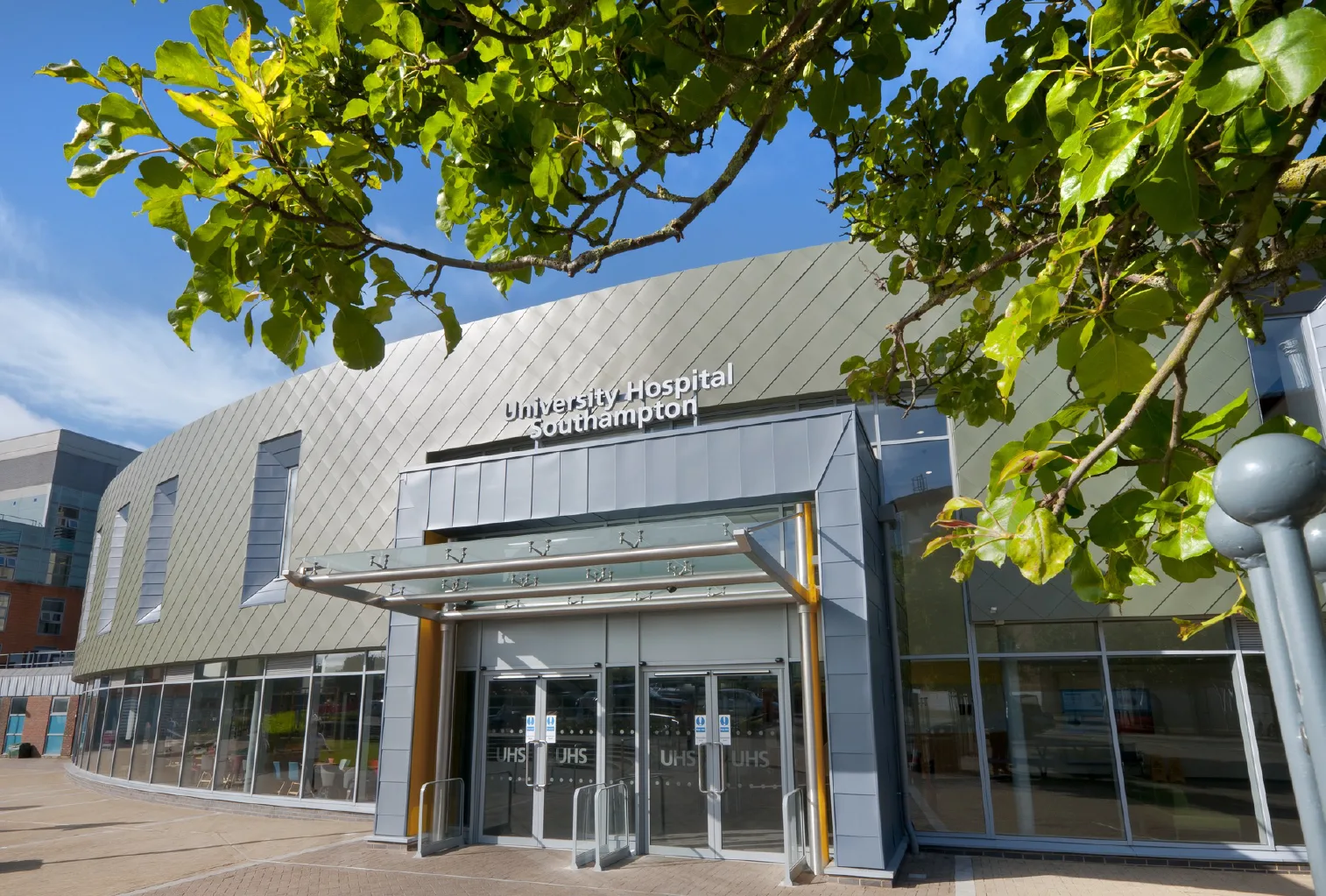
AI powered insights into PDL1 lung cancer Southampton
University Hospital Southampton Adopts AI for Lung Cancer Diagnosis
University Hospital Southampton (UHS) is set to enhance its diagnostic capabilities with the implementation of Aiforia’s innovative PD-L1 lung cancer AI solution. This technology will assist pathologists in evaluating PD-L1 staining in lung cancer specimens, potentially leading to faster and more accurate diagnoses.
Improving Accuracy and Efficiency in Lung Cancer Diagnosis
The adoption of Aiforia’s AI solution is expected to bring several key benefits to the hospital’s pathology department:
- Enhanced Accuracy: The AI algorithms are designed to provide precise and consistent analysis of PD-L1 staining, reducing inter-observer variability.
- Faster Turnaround Times: Automated analysis can significantly decrease the time required for assessment, enabling quicker diagnostic results for patients.
- Improved Workflow: By automating routine tasks, pathologists can focus on more complex cases and other critical aspects of their work.
What is PD-L1 and Why is it Important?
Understanding PD-L1 Staining
PD-L1 (Programmed Death-Ligand 1) is a protein found on some cancer cells. Its expression levels are crucial in determining a patient’s eligibility for certain immunotherapy treatments. Accurate assessment of PD-L1 staining is therefore vital for personalized cancer care.
The Role of AI in PD-L1 Assessment
AI-powered image analysis offers a powerful tool for standardizing and accelerating PD-L1 assessment. Aiforia’s solution uses deep learning algorithms to identify and quantify PD-L1 expression, providing pathologists with objective data to support their diagnoses.
Benefits for Patients
Ultimately, the implementation of this AI solution aims to improve patient outcomes by:
- Ensuring more accurate diagnoses.
- Expediting access to appropriate treatments.
- Supporting personalized cancer care strategies.
Final Overview
The integration of Aiforia’s PD-L1 lung cancer AI solution at University Hospital Southampton represents a significant step forward in the application of artificial intelligence in diagnostic pathology. This technology promises to enhance the accuracy, efficiency, and ultimately the effectiveness of lung cancer diagnosis and treatment.