
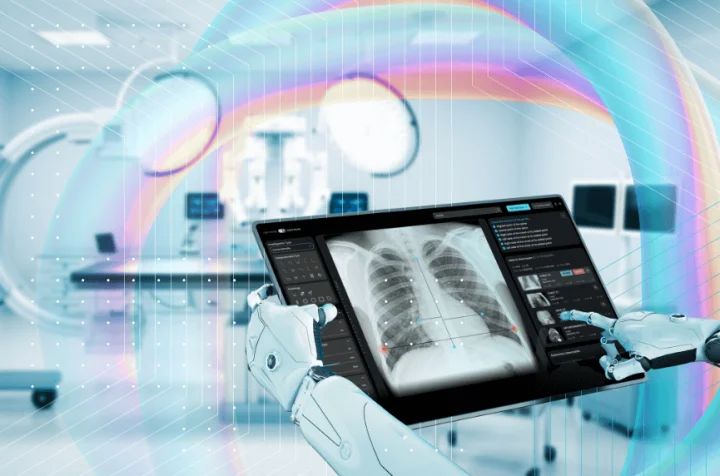
Revolutionizing Radiology with Artificial Intelligence
Artificial intelligence is rapidly changing the landscape of diagnostic radiology, offering new ways to detect diseases earlier and more accurately. By acting as a second set of eyes, AI-powered tools are helping radiologists identify subtle abnormalities that might otherwise go unnoticed.
The integration of AI into medical imaging is improving diagnostic accuracy and reducing delays in patient care. These advancements are particularly valuable in complex cases where early intervention can make the difference between life and death.
Far from replacing radiologists, AI is designed to complement their expertise. Routine pattern recognition can be handled by algorithms, allowing specialists to focus on challenging cases that require human judgment. This collaboration enhances efficiency while maintaining high standards of care.
Healthcare systems also stand to benefit. Faster and more reliable diagnostics reduce costs associated with misdiagnoses and delayed treatments. Patients, in turn, gain access to earlier interventions, fewer complications, and better overall outcomes.
However, challenges remain. AI models depend on large, diverse datasets, and biased or incomplete data can lead to errors. Radiologists must also be trained to interpret AI outputs correctly, ensuring that technology supports rather than undermines clinical decisions. Ethical concerns, including patient privacy and data security, continue to be critical considerations as AI adoption expands.
The future of diagnostic radiology lies in collaboration between human expertise and artificial intelligence. With proper investment, regulation, and training, AI can transform healthcare delivery—making diagnostics faster, more precise, and more accessible for patients worldwide.



+ There are no comments
Add yours