
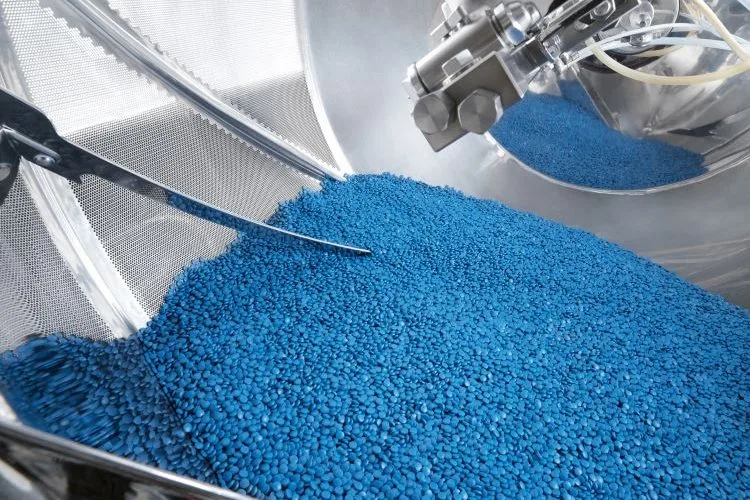
Enhancing Antibiotic Stability with Advanced Coating Technology
A groundbreaking new coating process is addressing one of the most persistent challenges in the pharmaceutical industry: preserving the stability and efficacy of antibiotics. Specifically, the technique focuses on preventing the degradation of amoxicillin and clavulanic acid tablets, a commonly prescribed antibiotic combination used to treat a wide range of infections.
Amoxicillin and clavulanic acid are both highly effective in fighting bacterial infections, but they are also prone to degradation, especially when exposed to factors like heat, moisture, and light. This degradation can significantly reduce their potency, affecting treatment outcomes and patient health. However, the new advanced coating process has been developed to prevent this issue, ensuring that the antibiotics maintain their efficacy for longer periods, even under challenging conditions.
The Problem of Antibiotic Degradation
Antibiotic degradation is a critical concern for pharmaceutical companies, healthcare providers, and patients alike. When antibiotics break down, they lose their effectiveness, leading to the risk of suboptimal treatment. For patients, this means longer recovery times, potential complications, and the risk of developing antibiotic-resistant bacteria.
For medications like amoxicillin and clavulanic acid, which are widely used for treating bacterial infections such as pneumonia, bronchitis, and urinary tract infections, maintaining their effectiveness is crucial. Without proper preservation, patients may not receive the full benefits of their prescribed treatment, leading to health setbacks.
The Advanced Coating Process: A Game-Changer for Antibiotic Preservation
The advanced coating process utilizes cutting-edge pharmaceutical technologies to provide a protective layer around the active ingredients in amoxicillin and clavulanic acid tablets. This innovative coating acts as a barrier that shields the tablets from environmental factors like moisture, heat, and light, all of which can cause degradation.
By effectively sealing in the active compounds, the coating ensures that the antibiotics remain stable throughout their shelf-life, even under less-than-ideal storage conditions. This method not only improves the shelf-life of antibiotics but also reduces the likelihood of product recalls due to degradation concerns.
Benefits of the Coating Process for Antibiotic Efficacy
This advanced coating technology offers several key advantages for both patients and pharmaceutical manufacturers:
- Improved Stability: The protective coating prevents degradation caused by environmental factors, ensuring that the antibiotics retain their potency over time.
- Extended Shelf-Life: With the new coating, amoxicillin and clavulanic acid tablets can last longer without losing efficacy, reducing the need for frequent replacements or restocking.
- Enhanced Patient Outcomes: By ensuring that patients receive the full dose of active ingredients, the coating helps improve the effectiveness of treatments, leading to better health outcomes.
- Cost-Effectiveness: With more reliable shelf-life and fewer instances of degradation, pharmaceutical companies can minimize waste, leading to cost savings.
- Compliance with Pharmaceutical Standards: The coating meets stringent pharmaceutical regulations, ensuring the tablets are safe for use and retain their medicinal properties.
Addressing Global Concerns Around Antibiotic Resistance
The issue of antibiotic resistance is a growing global concern, and one of the ways to combat it is by ensuring that antibiotics remain effective for as long as possible. By improving the stability and efficacy of antibiotics like amoxicillin and clavulanic acid, this new coating process plays an important role in the ongoing fight against antibiotic resistance.
Ensuring that antibiotics are potent and effective when they reach patients is a critical step in preventing the development of resistant strains of bacteria. With a longer shelf-life and better protection against degradation, these antibiotics are more likely to be effective when prescribed, reducing the likelihood of resistance development.
The Future of Antibiotic Preservation
The breakthrough coating process for amoxicillin and clavulanic acid tablets marks a significant advancement in the preservation of pharmaceutical products. As the demand for more effective and stable medications increases, this technology could be applied to a wide range of other antibiotics and sensitive drugs. Future research may expand this method to other classes of medications, improving the overall efficacy and safety of pharmaceutical products across the board.
Conclusion: A Step Toward More Reliable Antibiotic Treatment
The development of this advanced coating process is a major step forward in preserving the stability and efficacy of amoxicillin and clavulanic acid tablets. By preventing degradation and improving the longevity of these essential antibiotics, this innovation promises to ensure that patients continue to receive the full benefits of their treatment, while helping to address the growing concerns of antibiotic resistance.
For pharmaceutical manufacturers, this breakthrough not only improves the stability of their products but also supports the global push toward better drug preservation and delivery. The future of antibiotic therapy looks brighter, with advanced coatings playing a critical role in the fight against bacterial infections and improving patient outcomes.
#AntibioticStability, #Amoxicillin, #ClavulanicAcid, #PharmaceuticalInnovation, #AdvancedCoating, #DrugFormulation, #MedicinePreservation, #AntibioticEfficacy, #PharmaTech, #PharmaceuticalResearch