
Lymphoma’s Impact on Accelerated Aging: A New Study
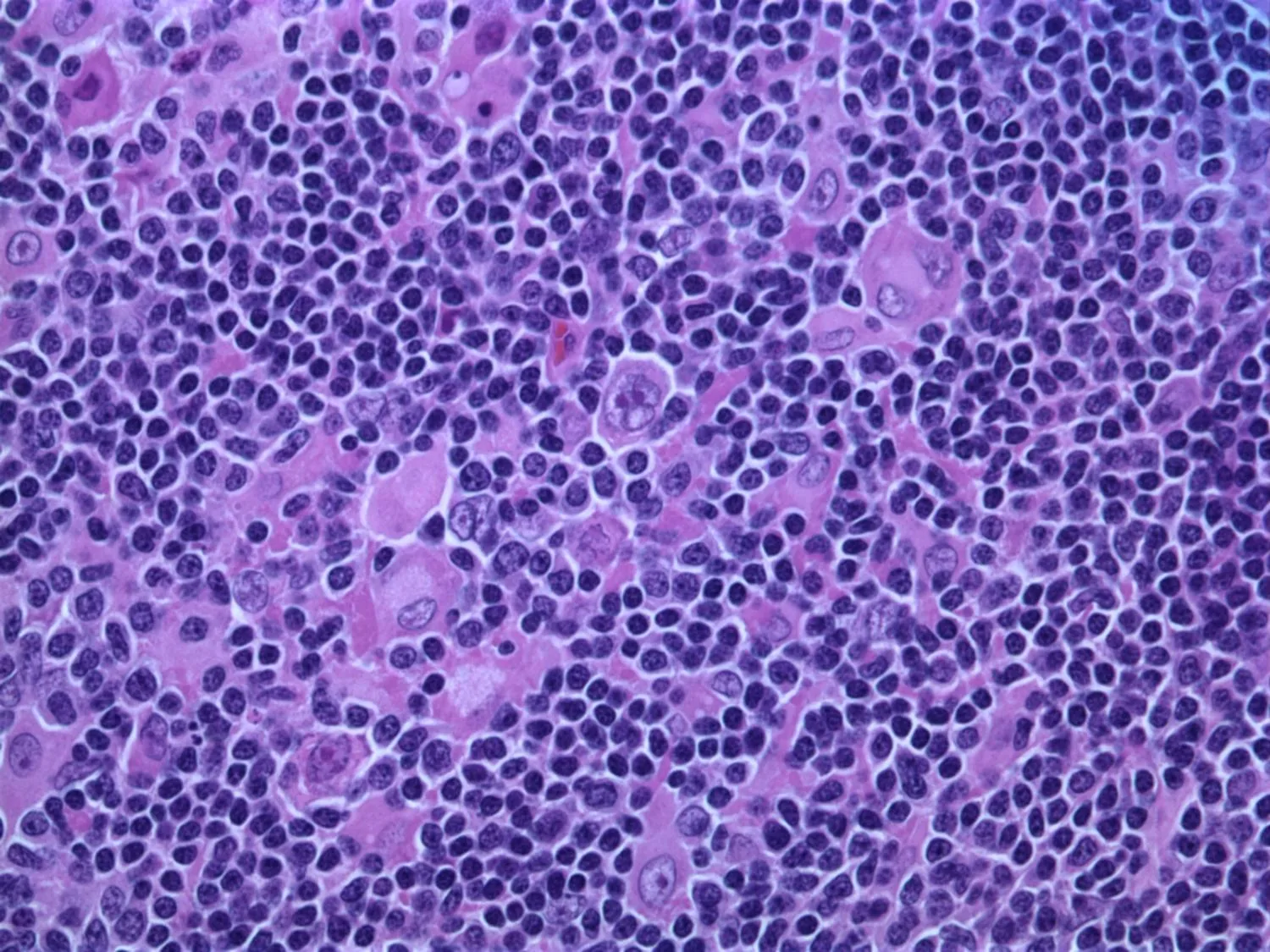
A groundbreaking study from Moffitt Cancer Center sheds light on how lymphoma influences the aging process, not just within the tumor itself, but throughout the entire body. This research highlights the far-reaching effects of cancer, offering a new perspective on its systemic impact.
Understanding Lymphoma and Its Systemic Effects
Lymphoma, a cancer of the lymphatic system, is known for its effects on immune cells. However, this new study reveals that lymphoma can also accelerate biological aging in various tissues, indicating a broader impact than previously understood.
Key Findings of the Study
- Lymphoma accelerates the aging of the immune system.
- The accelerated aging process extends beyond the tumor’s immediate environment.
- This research provides new insights into how cancer reshapes the body.
Implications for Cancer Treatment and Research
These findings could lead to new strategies for treating lymphoma, focusing not only on eliminating cancer cells but also on mitigating the effects of accelerated aging. Further research is needed to fully understand the mechanisms behind this phenomenon and to develop targeted interventions.
Future Research Directions
- Investigating the specific mechanisms by which lymphoma accelerates aging.
- Developing therapies to counteract the aging effects of lymphoma.
- Exploring the potential for biomarkers to identify patients at risk of accelerated aging.
Final Overview
The Moffitt Cancer Center study offers a significant contribution to our understanding of lymphoma and its systemic effects. By revealing the link between lymphoma and accelerated aging, this research opens new avenues for cancer treatment and prevention.



+ There are no comments
Add yours