
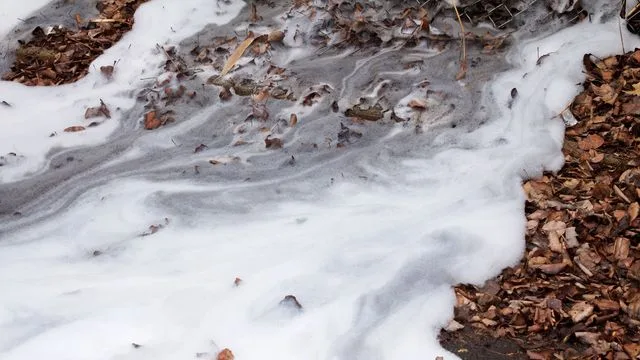
Appalachian Streams and Fish Face Dual Threat: Microplastics and E. coli
A recent environmental study focusing on the Appalachian region has uncovered concerning levels of pollution in its waterways. The research highlights the presence of widespread microplastic contamination in fish populations and identifies significant E. coli hotspots in local streams, raising alarms about the health of both aquatic life and human communities relying on these water sources.
Microplastic Contamination in Fish
The study revealed that fish sampled from various Appalachian streams contained microplastics, tiny plastic particles that can accumulate in the food chain. These microplastics originate from various sources, including:
- Degraded plastic products
- Industrial waste
- Runoff from urban areas
The ingestion of microplastics poses several risks to fish, including physical harm, disruption of digestive processes, and potential exposure to harmful chemicals that the plastics may carry.
E. coli Hotspots in Local Streams
In addition to microplastics, the study identified several E. coli hotspots in Appalachian streams. E. coli is a type of bacteria that can cause severe illness in humans. The presence of high E. coli levels indicates fecal contamination, potentially originating from:
- Agricultural runoff
- Sewage leaks
- Failing septic systems
Exposure to E. coli-contaminated water can lead to gastrointestinal issues, posing a significant health risk to those who use the streams for recreation or as a water source.
Implications and Future Directions
The findings of this study underscore the need for increased monitoring and mitigation efforts to address pollution in the Appalachian region. Key actions may include:
- Implementing stricter regulations on plastic waste disposal
- Upgrading wastewater treatment facilities
- Promoting responsible agricultural practices
- Conducting further research to understand the long-term impacts of microplastic and E. coli pollution on aquatic ecosystems and human health
Protecting the health of Appalachian waterways is crucial for preserving biodiversity, safeguarding human health, and ensuring the sustainable use of these valuable resources for future generations.
Final Overview
The Appalachian region faces a double environmental challenge with microplastic contamination in fish and E. coli hotspots in streams. Addressing these issues through responsible waste management, infrastructure improvements, and sustainable practices is essential for protecting the environment and public health.