
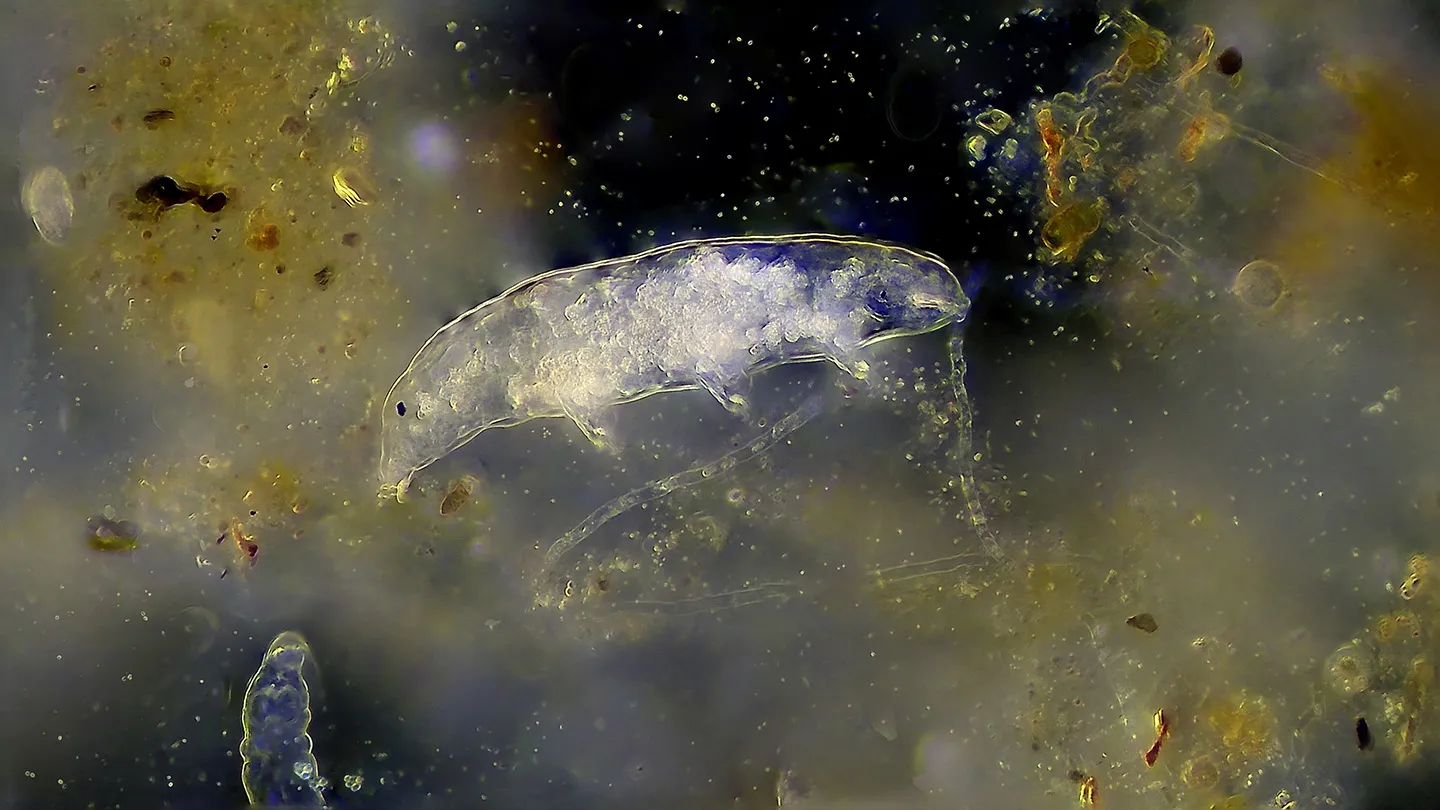
Tardigrade Protein Offers Hope for Radiation Protection in Cancer Patients
Scientists have made a groundbreaking discovery that could revolutionize the way we approach cancer treatment. A protein found in tardigrades — microscopic organisms famous for their extreme survival skills — has shown the ability to significantly protect living cells from the harmful effects of radiation.
What Makes Tardigrades So Special?
Tardigrades, also known as “water bears,” can survive extreme temperatures, dehydration, and even outer space. One of their secrets lies in a protein called Dsup (short for “damage suppressor”). This protein protects their DNA from breaking when exposed to radiation.
The Experiment: Bringing Dsup to Mice
In a recent study, researchers introduced the Dsup protein into mice using mRNA — the same method used in many modern vaccines. The result? A 50% reduction in DNA damage caused by radiation in the areas where the protein was active. This discovery proves that the protective power of Dsup can be transferred to mammals, not just stay in microscopic creatures.
Why This Matters for Cancer Therapy
Radiation therapy is a powerful tool against cancer, but it comes with a heavy price: it also harms healthy cells, causing painful side effects and complications. If Dsup protein can be used to shield healthy tissues from damage — while still allowing radiation to target and destroy cancer cells — it could make treatments much safer and more effective.
This breakthrough is especially promising for patients with head, neck, or gastrointestinal cancers, where side effects from radiation are often severe and limit treatment options.
What’s Next?
Researchers are now working on modifying the Dsup protein to make it suitable for human use — ensuring it doesn’t trigger immune responses. Beyond cancer, this innovation may also help protect astronauts from cosmic radiation during long-term space missions or be used in other medical technologies involving radiation exposure.
Conclusion
The discovery of how tardigrade proteins can protect against radiation opens up a new chapter in medical science. By mimicking nature’s toughest survivor, we might soon make cancer treatments safer, faster, and far more tolerable for patients. With further development, this microscopic miracle could become a giant leap for modern medicine.



+ There are no comments
Add yours