
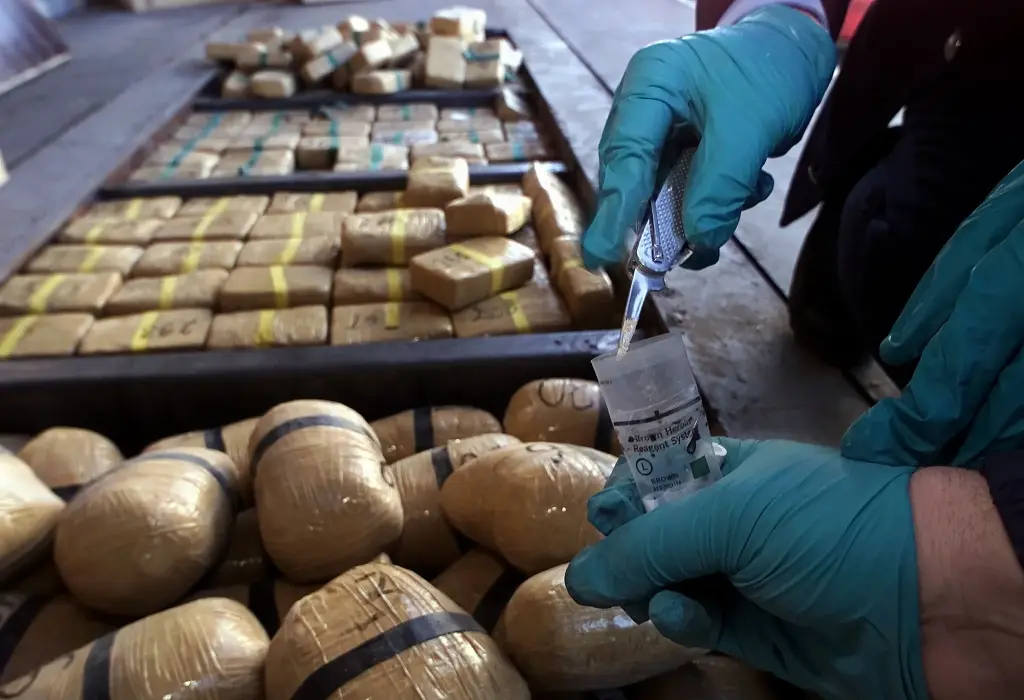
Global Crime Networks Entangled in Pakistan’s Drug Problem
Pakistan’s drug trade is no longer a purely domestic issue. Investigations into the case of alleged drug queenpin Anmol alias Pinky have revealed that her network relied heavily on foreign operatives, particularly African crime gangs.
Authorities confirmed that at least six African nationals were part of Pinky’s operation, reportedly based in Lahore. This discovery highlights how international networks are embedding themselves into Pakistan’s narcotics trade, modernizing local operations with global smuggling practices.
While cocaine originates from South America, Africa has emerged as a major transshipment hub for the drug, funneling supplies into Europe, Oceania, and Asia. Pakistani investigators now recognize that these African gangs are not only active in neighboring India but also increasingly present within Pakistan.
One critical factor is Ethiopia’s direct air connection with Pakistan, through flights linking Addis Ababa and Karachi. A future route to Lahore has also been announced, raising concerns about easier trafficking channels. Smuggling by sea remains less likely due to logistical hurdles, but air travel offers traffickers a more discreet option.
Authorities warn that student visas are being misused by foreigners acting as drug mules. Seasonal travel patterns make them less suspicious, allowing narcotics to move across borders with fewer red flags. Some foreign nationals also overstay visas, further complicating monitoring efforts.
For years, Pakistan’s focus has been on preventing drugs from leaving the country, largely due to Western aid targeting heroin and hashish exports. However, experts caution that meth and heroin can be produced locally, while cocaine and other “Western drugs” are now flowing in through foreign networks.
Law enforcement agencies are being urged to shift their priorities, tackling not only domestic production but also the influx of foreign-supplied narcotics. The growing presence of international gangs underscores the need for stronger border controls, visa monitoring, and intelligence cooperation.
Pakistan’s drug crisis is evolving into a global problem, and without decisive action, foreign networks will continue to exploit vulnerabilities in the country’s systems.



+ There are no comments
Add yours