
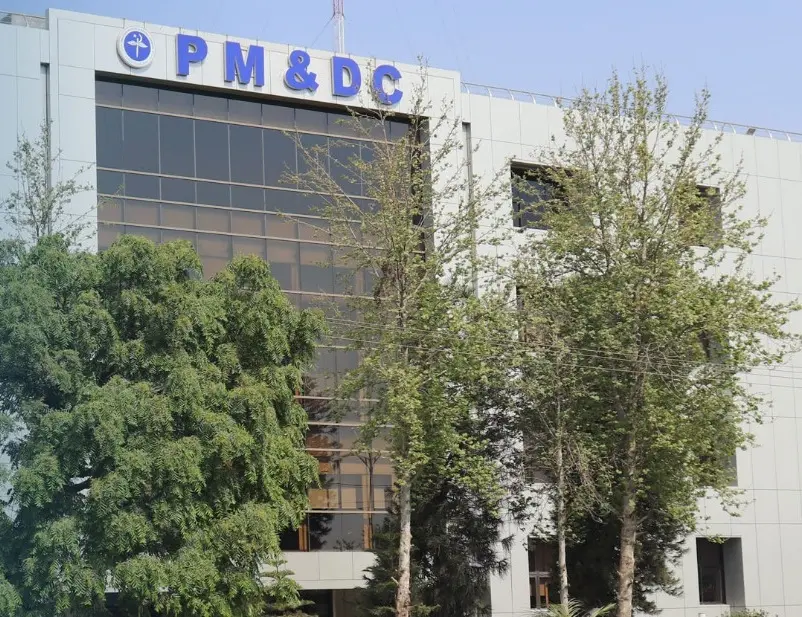
New Rules for Pakistani Students Pursuing Medical Education Abroad
The Pakistan Medical and Dental Council (PMDC) has introduced a new policy requiring all students who plan to pursue medical or dental education abroad to first qualify for the Medical and Dental College Admission Test (MDCAT) and obtain PMDC registration before leaving Pakistan.
The decision was made during a high-level committee meeting chaired by Deputy Prime Minister Ishaq Dar, where reforms to strengthen medical and dental education were reviewed. Officials emphasized that there will be no compromise on inspection standards, accreditation procedures, or compliance requirements.
Under the new guidelines, students must ensure that the foreign institution they plan to attend is included in the PMDC’s list of recognized institutions. The institution must also be accredited by the World Federation for Medical Education (WFME) or listed in the World Directory of Medical Schools.
The policy outlines strict academic requirements:
- A medical degree must include 6,200 hours of study over five years.
- Students must maintain at least 80% attendance during their program.
- Those studying in countries where English is not the medium of instruction must complete five months of local language training before beginning their studies.
Graduates returning from foreign institutions will also be required to pass the National Registration Examination conducted by PMDC to obtain registration in Pakistan.
Additionally, students must provide complete details of their residence and contact numbers in the country of study before departure. They are advised to secure a multiple-entry visa valid for the duration of their studies to avoid disruptions.
PMDC officials stated that these measures are designed to safeguard the academic and professional future of Pakistani medical students, ensuring that their qualifications meet both national and international standards.
This landmark decision reflects Pakistan’s commitment to raising the quality of medical education, enhancing transparency in accreditation, and ensuring that future healthcare professionals are trained to the highest global standards.



+ There are no comments
Add yours