
Strengthening Healthcare Through Strategic Partnerships
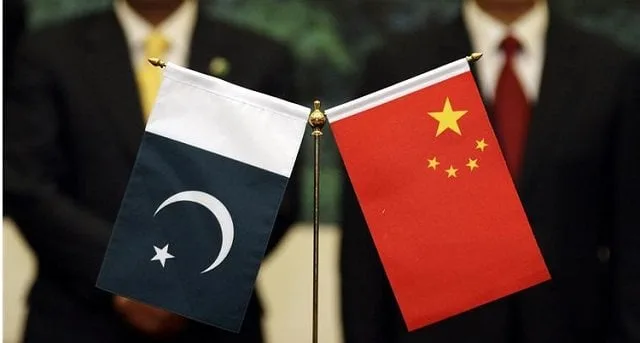
Pakistan’s pharmaceutical industry has taken a bold step forward with the signing of 10 Memorandums of Understanding (MoUs) between Pakistani and Chinese firms. These agreements focus on Active Pharmaceutical Ingredient (API) manufacturing, vaccine collaboration, technology transfer, and large-scale investment, setting the stage for a stronger and more self-reliant healthcare system.
Federal Minister for National Health Services Syed Mustafa Kamal hailed the development as a historic milestone. He emphasized that local API production will not only make medicines more affordable but also secure long-term supply chains. For decades, Pakistan has relied heavily on imported raw materials, but this partnership promises to change that.
Two flagship agreements stand out among the 10 MoUs. One focuses on pharmaceutical raw material production and technology transfer, while the other targets poultry vaccine manufacturing. Pakistan currently imports vaccines worth millions of dollars annually, but with local production, the country can reduce strategic dependence and prepare for future healthcare challenges.
The Minister highlighted that Pakistan provides vaccines for 13 diseases free of cost to children. However, by 2030, global support arrangements will shift, requiring Pakistan to spend nearly US$1.2 billion annually on vaccine procurement. Building domestic vaccine capacity now is crucial to avoid future supply risks.
Another key highlight is Pakistan’s effort to achieve WHO Level 3 certification, which would expand pharmaceutical exports from 51 countries to over 150 markets worldwide. This certification could transform Pakistan into a competitive player in the global pharmaceutical trade.
Parliamentary Secretary for Commerce Dr Zulfiqar Ali Bhatti underscored the economic benefits of these agreements. He noted that dependence on imported medicines has strained foreign exchange reserves, and local manufacturing will ease this burden while attracting foreign direct investment.
Among the major deals, Unichem Pharmaceuticals Pakistan and China’s Xinxu Group signed a Rs. 10 billion partnership to produce critical APIs like Omeprazole locally. This move will significantly reduce import reliance and strengthen Pakistan’s pharmaceutical resilience. Another agreement with Lucky Core Group and Chinese partners further expands industrial cooperation.
The event, organized with support from the Ministry of National Health Services, DRAP, and One Station China Desk, concluded with officials reaffirming Pakistan’s commitment to healthcare self-reliance. They described the initiative as the beginning of a new chapter in pharmaceutical growth, foreign investment attraction, and healthcare innovation.
This collaboration not only strengthens Pakistan’s healthcare system but also positions the country as a rising hub for pharmaceutical manufacturing in the region.


+ There are no comments
Add yours