
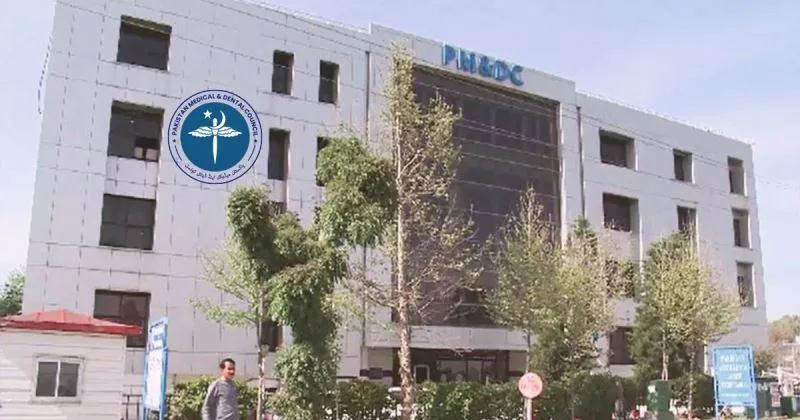
MDCAT Merit Cut Sparks Concern Among Admission Committee
Concerns Rise Over Lowering MDCAT Merit Threshold
The Admission Committee has raised serious concerns regarding the recent decision to reduce the merit percentage required for MBBS and BDS admissions in Pakistan. The move, which lowers the MDCAT threshold, has sparked debate about its potential impact on the quality of medical education and the future of healthcare in the country.
Committee members emphasized that maintaining high merit standards is essential to ensure that only the most qualified students enter medical programs. They warned that lowering the threshold could compromise the competence of future doctors, ultimately affecting patient care and public trust in the healthcare system.
The MDCAT exam has long been considered a benchmark for assessing students’ readiness for medical education. By reducing the merit percentage, critics argue that the policy risks admitting students who may not meet the rigorous academic demands of medical training.
Supporters of the change, however, claim that it will broaden access to medical education and provide opportunities for students from diverse backgrounds. They argue that the adjustment could help address the shortage of doctors in Pakistan by increasing enrollment in medical colleges.
Despite these arguments, the Admission Committee insists that quality must not be sacrificed for quantity. They have urged policymakers to reconsider the decision and explore alternative solutions, such as expanding scholarships and improving preparatory resources, to support deserving students without lowering standards.
This development highlights the ongoing tension between accessibility and excellence in Pakistan’s medical education system. The debate over the MDCAT threshold reflects broader challenges in balancing equity, opportunity, and the need to uphold professional standards in healthcare.