
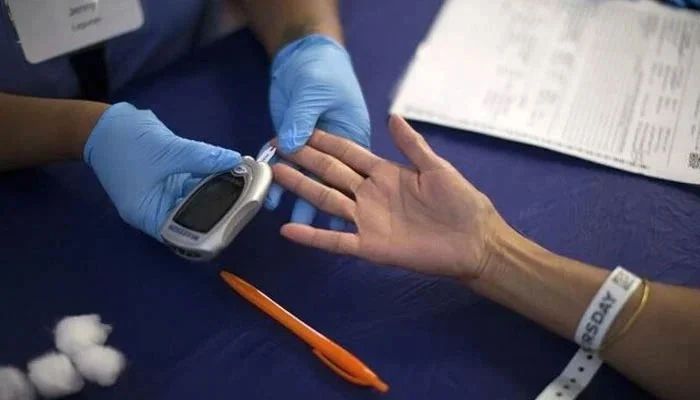
Addressing the Gender Gap in Diabetes Screening
Diabetes has become one of Pakistan’s most pressing health challenges, with nearly one in three adults affected. Yet, women remain significantly underrepresented in screening efforts, highlighting deep-rooted barriers in healthcare access.
Since 2021, the Discovering Diabetes project has screened more than one million people nationwide. However, men accounted for 82% of those screened, while women made up just 18%. This imbalance underscores the social and structural challenges women face, including limited mobility, lower health-seeking behavior, and restricted access to healthcare facilities.
Programme data reveals that over 482,000 individuals were connected with healthcare providers for further evaluation, while more than 360,000 received support after being identified at risk or diagnosed with diabetes. Despite these efforts, experts warn that millions remain undiagnosed, particularly women, who often discover their condition only after developing serious complications such as heart disease, kidney failure, or vision loss.
Pakistan currently has an estimated 34.5 million adults living with diabetes, making it one of the countries with the highest burden globally. Surveys in underserved areas show alarming trends—for instance, nearly half of adults in rural Khyber Pakhtunkhwa are living with diabetes, yet access to screening remains limited.
To bridge these gaps, PharmEvo introduced innovative tools like Dibot, an AI chatbot launched in 2022. Dibot allows individuals to assess their risk by answering simple health-related questions, guiding them toward screening or medical consultation. Additionally, Project REACH conducts field-based activities in rural communities, measuring blood sugar, blood pressure, and other indicators to identify at-risk individuals.
Awareness campaigns have also been expanded, reaching over 11 million people through digital engagement and community initiatives. Educational sessions in mosques, supported by religious scholars, emphasize healthier lifestyles and the importance of early screening.
Experts stress that early diagnosis, lifestyle changes, and timely treatment can significantly reduce complications. Closing the gender gap in screening is essential to ensure women receive equal access to preventive care and treatment.
By combining technology, community outreach, and awareness, Pakistan can move closer to tackling its diabetes crisis. But without addressing the barriers women face, the fight against diabetes will remain incomplete.


+ There are no comments
Add yours