
Massive Funding Gap Threatens Middle East Health Systems
The World Health Organization (WHO) has sounded the alarm over a severe funding shortfall that threatens to cripple healthcare systems across the Middle East. With only 37% of the $689 million required for 2026 mobilized, millions of people remain at risk of losing access to essential medical care.
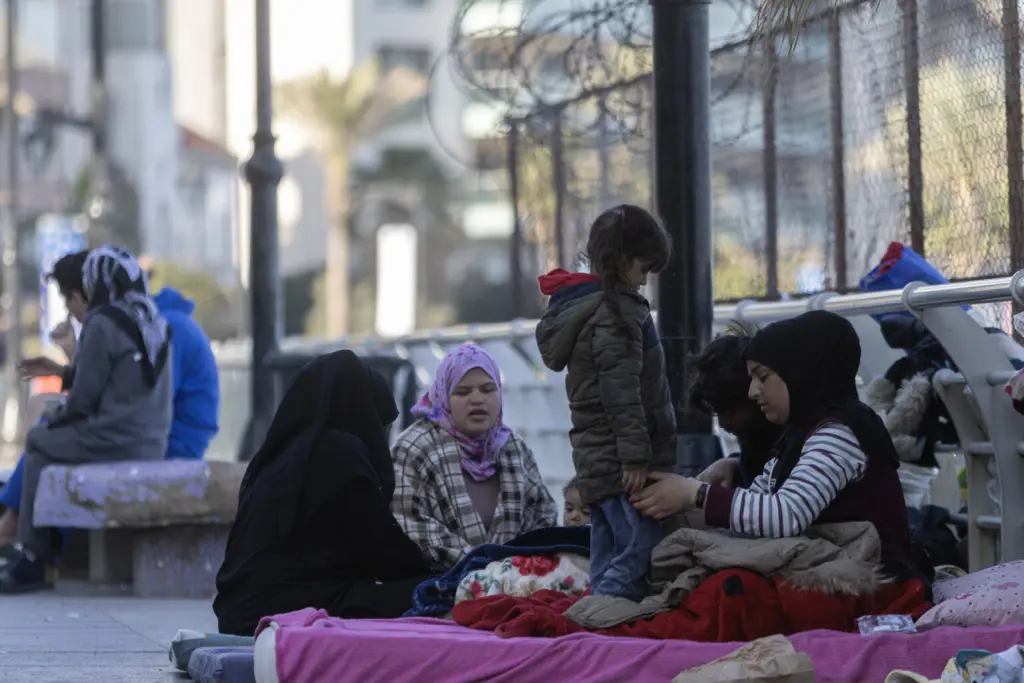
Conflict has displaced more than 4.3 million people across 14 countries in the region, leaving health facilities overwhelmed and under-resourced. In Lebanon alone, six hospitals have closed, 200 have been damaged, and 51 primary healthcare centers shut down. Nearly one million people have been displaced, with over 1,500 deaths reported.
To address the escalating crisis, WHO has launched a $30.3 million flash appeal targeting Lebanon, Iran, Iraq, Syria, and Jordan. The funds are intended to support trauma response, maternal and child health services, and basic medical care for displaced populations.
Beyond direct conflict impacts, environmental risks are compounding the crisis. Bombing of desalination plants in Iran and damage near facilities in Bahrain, Kuwait, and the UAE threaten water supplies. Rising air pollution is also driving respiratory illnesses. Strikes near Iranian nuclear facilities have raised fears of potential radiological incidents, which could have devastating public health consequences.
WHO warns that the collapse of health systems in the Middle East will have far-reaching global effects. Humanitarian operations are already stretched thin, and without urgent funding, the situation could spiral into a generational health disaster.
The organization is calling for immediate international support, stronger preparedness for chemical, biological, radiological, and nuclear threats, and a permanent cessation of hostilities. Without decisive action, the region’s fragile healthcare infrastructure may not withstand the mounting pressures of war and displacement.
This crisis underscores the urgent need for global solidarity to protect vulnerable populations and prevent a humanitarian catastrophe that could reverberate far beyond the Middle East.


+ There are no comments
Add yours