
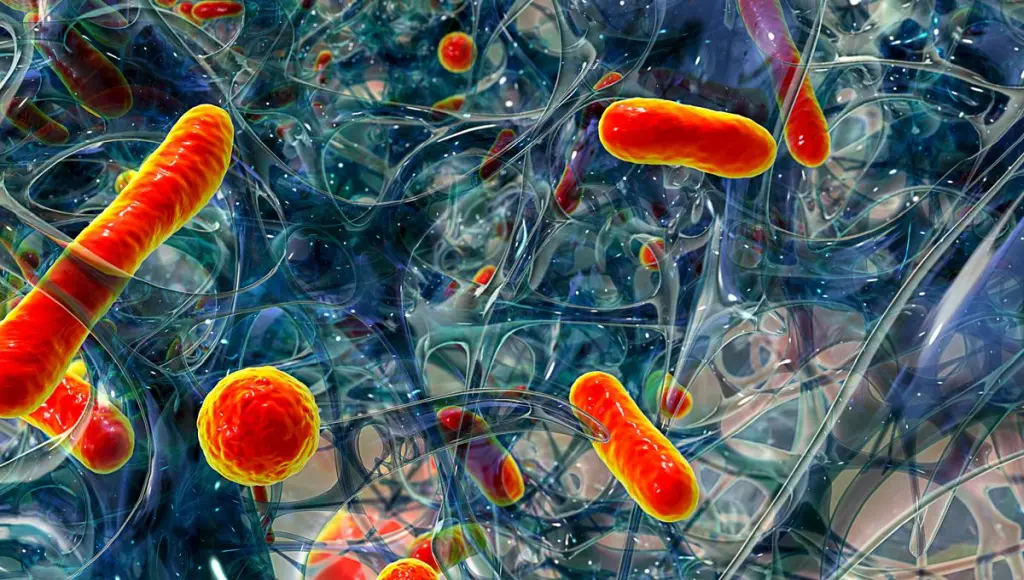
Scientists Develop Tumor-Eating Bacteria to Fight Cancer
Bacteria Engineered to Destroy Tumors From the Inside
Scientists are pushing the boundaries of cancer treatment by developing tumor-eating bacteria designed to infiltrate and destroy cancer cells from within. This cutting-edge research combines synthetic biology with oncology, aiming to create living therapies that can adapt to the body’s environment.
How It Works
Researchers are engineering bacteria to:
- Seek out tumors by detecting chemical signals unique to cancer cells.
- Multiply inside tumors, where they can thrive in low-oxygen environments.
- Release anti-cancer compounds that directly kill tumor cells or stimulate the immune system to attack them.
Why Bacteria?
Unlike traditional drugs, bacteria can:
- Navigate complex tumor environments.
- Self-replicate, ensuring sustained treatment.
- Be programmed to deliver precise therapeutic payloads.
Early Results
Preclinical studies show that engineered bacteria can shrink tumors in animals without harming healthy tissue. Some strains are being tested to work alongside immunotherapy, boosting the body’s natural defenses against cancer.
Potential Benefits
- Targeted treatment with fewer side effects compared to chemotherapy.
- Adaptive therapy that evolves with tumor changes.
- Combination potential with existing cancer drugs for stronger outcomes.
Challenges Ahead
While promising, this approach faces hurdles:
- Ensuring bacteria remain safe and do not cause infections.
- Regulating bacterial growth inside the body.
- Conducting rigorous clinical trials to prove effectiveness in humans.
Final Takeaway
The concept of tumor-eating bacteria represents a bold step toward the future of cancer treatment. If successful, it could revolutionize oncology by offering therapies that are living, adaptable, and highly targeted. Scientists believe this innovation may one day complement or even replace conventional treatments, giving patients new hope against one of the world’s deadliest diseases.