
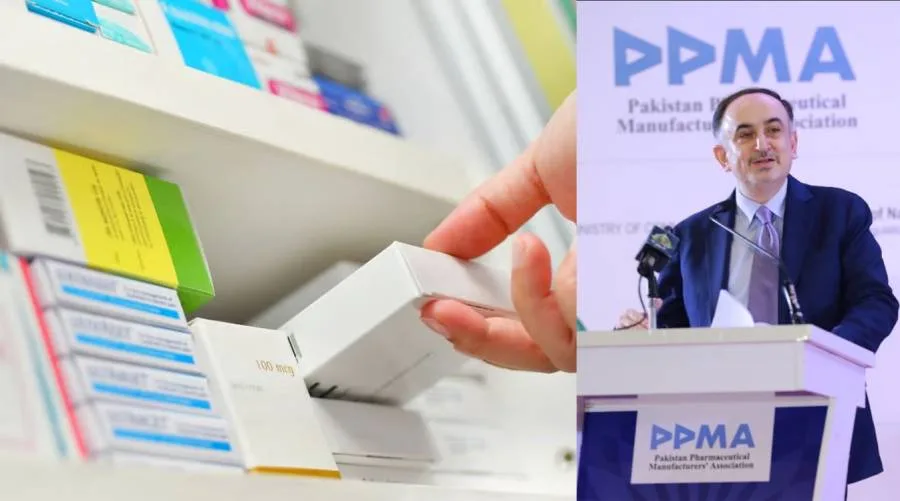
Pakistan Pharma Industry Warns Against Reversal of Deregulation Policy
Industry Warns of Risks if Deregulation Policy is Reversed
The Pakistan Pharmaceutical Manufacturers Association (PPMA) has raised serious concerns over reports that the government may reverse the 2024 deregulation policy for non‑essential medicines. Industry leaders caution that such a move could lead to medicine shortages, factory shutdowns, falling exports, and declining investor confidence.
According to PPMA, deregulation has already delivered significant benefits. Pharmaceutical exports rose by 34%, climbing from $336 million before deregulation to nearly $450 million in 2025. Manufacturers also expanded investment in WHO, PIC/S, and EU GMP compliant facilities, enabling access to regulated international markets such as Europe, the United States, Canada, and Australia.
Impact on Local Supply and Quality
Industry officials highlight that deregulation improved medicine availability in the local market, strengthened quality standards, and reduced the circulation of counterfeit drugs. They argue that undoing the policy would erase these gains and revive shortages.
Historical Context
Pakistan’s pharma sector has long struggled under rigid price controls. These restrictions discouraged investment and forced several multinational companies—including Pfizer, Novartis, Sanofi, Bayer, and Johnson & Johnson—to exit Pakistan or scale down operations. Deregulation finally gave manufacturers the breathing space to reinvest in quality systems and compete globally.
Potential Consequences of Reversal
If the policy is rolled back, the industry warns of:
- Medicine shortages in local markets.
- Declining exports and reduced foreign exchange earnings.
- Closure of manufacturing lines and rising unemployment.
- Loss of tax revenues and investor confidence.
Industry’s Call to Policymakers
Pharmaceutical manufacturers urge the government to maintain deregulation, stressing that the sector should not be treated differently from industries like cement, sugar, banking, automobiles, and textiles. They argue that consistent policies are essential to build Pakistan’s ambition of becoming a major pharmaceutical export economy.
By sustaining deregulation, Pakistan can continue to strengthen its pharmaceutical sector, ensuring medicine security, global competitiveness, and economic growth.