
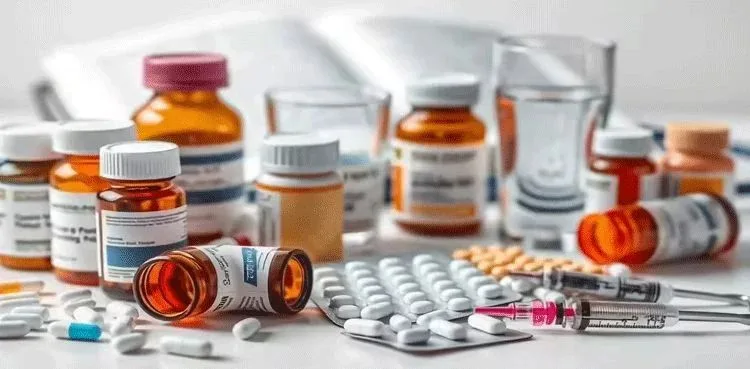
Rising Medicine Costs Threaten Healthcare Access in Pakistan
Pakistan is experiencing a sharp rise in medicine prices as the ongoing conflict in the Middle East disrupts the import of raw materials. The situation has created a significant burden for patients who rely on life-saving drugs, particularly those managing chronic conditions.
One of the most alarming increases has been in insulin prices, which have more than doubled in recent weeks. The cost of insulin injection devices has jumped from Rs 2,200 to Rs 4,720, making treatment unaffordable for many diabetes patients.
The surge is not limited to insulin. Other medicines affected include:
- Indigestion and acidity treatments: Rs 530 to Rs 620 per pack
- Vitamins and nutritional supplements: Rs 480 to Rs 510 per pack
- Vitamin B deficiency medicine: Rs 500 to Rs 600
- Thyroid treatment drugs: Rs 85 to Rs 290
- Typhoid medicines: Rs 805 to Rs 930
Pharmaceutical companies warn that several other essential medicines are also impacted, with rising costs of packaging and auxiliary ingredients adding to the crisis.
Experts attribute the surge to import restrictions and supply chain disruptions linked to the Iran war. With raw materials becoming scarce, production costs have escalated, leaving companies struggling to stabilize supply.
Patients with chronic illnesses such as diabetes and thyroid disorders are facing growing financial pressure. Health professionals are urging authorities to monitor prices and ensure availability of essential medicines to protect public health.
This crisis highlights the vulnerability of Pakistan’s healthcare system to global conflicts. Without swift government intervention and stronger supply chain management, the affordability of essential medicines will remain a pressing challenge for millions of citizens.
The rising costs underscore the urgent need for policy reforms, local production capacity, and effective regulation to safeguard access to healthcare in times of international instability.


+ There are no comments
Add yours