
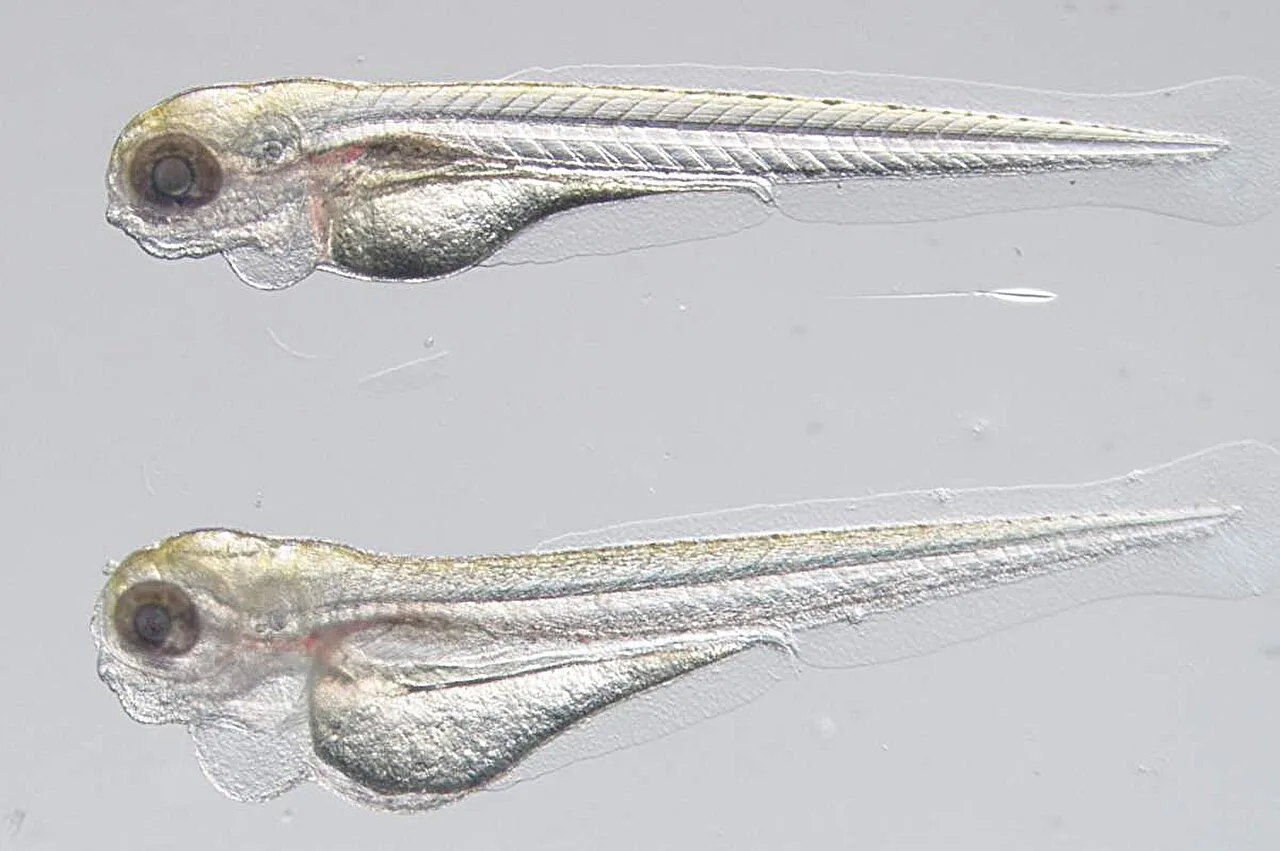
Zebrafish Embryos Offer Hope for Rare Lymphatic Disorder
In an unexpected turn of medical research, scientists are leveraging the biological similarities between humans and zebrafish to develop a potential treatment for kaposiform lymphangiomatosis (KLA). This rare and severe genetic disorder affects the lymphatic system, posing significant health challenges for those afflicted.
Understanding Kaposiform Lymphangiomatosis (KLA)
KLA is a life-threatening condition characterized by abnormal growth of lymphatic vessels. This can lead to various complications, making it crucial to find effective therapies.
The Zebrafish Connection
Zebrafish embryos, surprisingly, share significant biological similarities with humans. This makes them a valuable model for studying human diseases and testing potential treatments.
- Zebrafish are easy to study due to their transparent embryos.
- They share many genes with humans, making them relevant for disease research.
A Promising New Therapy
Researchers have successfully used zebrafish embryos to identify a potential therapeutic approach for KLA. This innovative method involves:
- Studying the development of lymphatic vessels in zebrafish embryos.
- Identifying key molecular pathways involved in KLA.
- Testing drugs that can correct the abnormal lymphatic vessel growth.
Implications for Future Treatment
The findings from this research offer hope for developing targeted therapies for KLA. Further studies are needed to translate these findings into clinical applications, but the initial results are highly encouraging.
Future Research Directions
- Further investigation of the identified molecular pathways.
- Clinical trials to evaluate the safety and efficacy of potential drugs.
Final Overview
By utilizing the unique advantages of zebrafish embryos, researchers are paving the way for a novel treatment for kaposiform lymphangiomatosis. This approach highlights the potential of comparative biology in advancing medical science and finding solutions for rare genetic disorders.



+ There are no comments
Add yours