
Global Study Uncovers New Genetic Risk Factors for Uterine Cancer
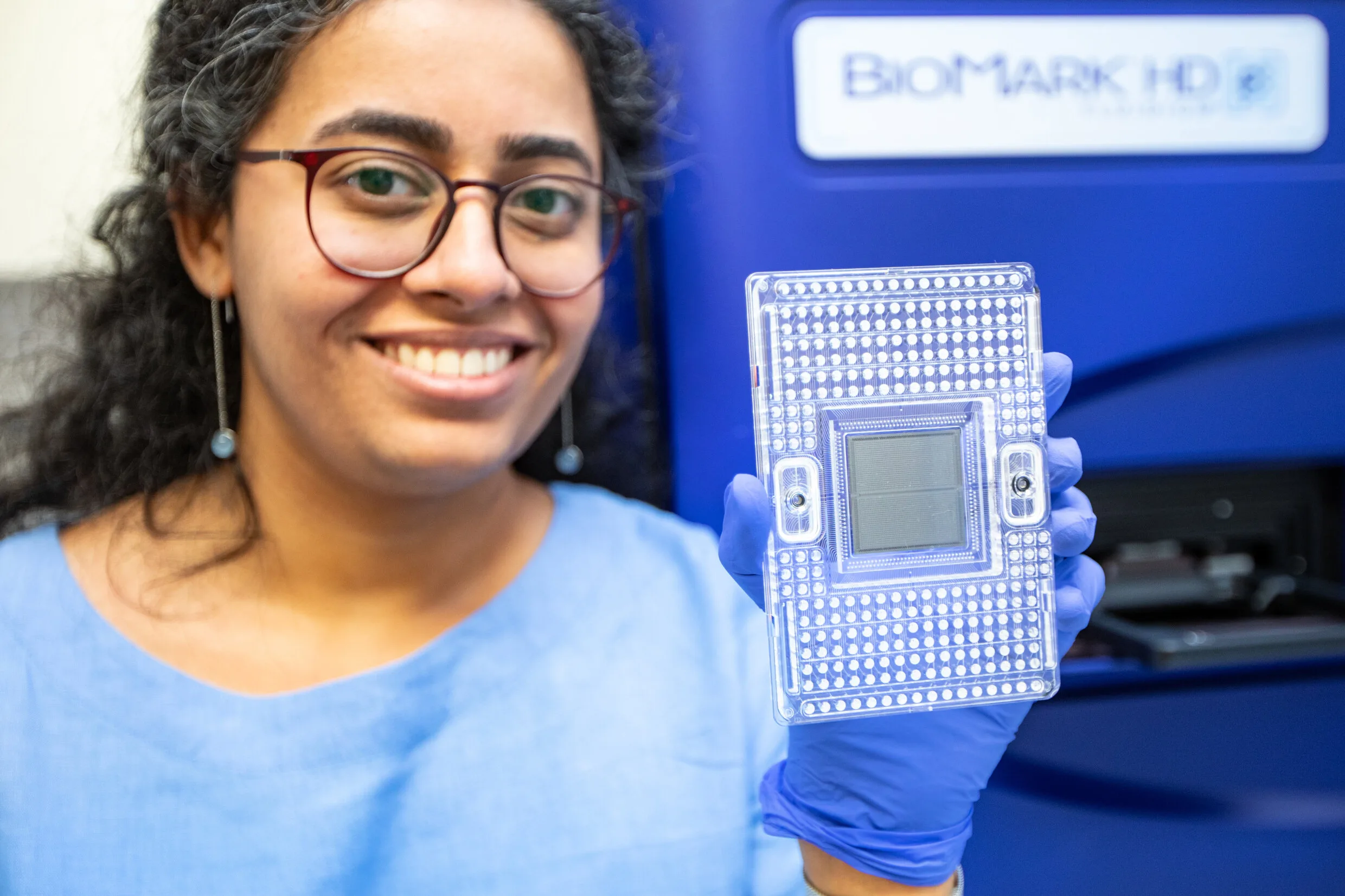
An international research collaboration, spearheaded by MHH, has made significant strides in understanding the genetic underpinnings of uterine cancer. By analyzing extensive genomic data from biobanks across the globe, the study has pinpointed previously unknown risk factors within DNA that contribute to the development of tumors in the uterine lining.
Unlocking Genomic Data for Cancer Insights
The researchers meticulously compared genomic data sourced from diverse national biobanks. This comprehensive approach allowed them to identify subtle yet critical genetic variations that increase susceptibility to uterine cancer. These newly discovered risk factors offer potential targets for future diagnostic and therapeutic interventions.
Key Findings of the Study
- Identification of novel genetic risk factors associated with uterine cancer.
- Validation of these risk factors through analysis of diverse genomic datasets.
- Potential for improved risk assessment and early detection strategies.
- Insights that could pave the way for personalized cancer therapies.
Implications for Future Research and Treatment
These findings mark a crucial step forward in our understanding of uterine cancer etiology. The identification of these genetic risk factors could lead to:
- More accurate prediction of an individual’s risk of developing uterine cancer.
- Development of targeted screening programs for high-risk individuals.
- Creation of novel therapeutic strategies aimed at mitigating the effects of these genetic variations.
A Collaborative Effort for Global Impact
This international study underscores the importance of collaborative research in tackling complex diseases like cancer. By pooling resources and expertise from around the world, researchers can accelerate the pace of discovery and translate findings into tangible benefits for patients.
Final Words
The discovery of these new genetic risk factors represents a significant advancement in the fight against uterine cancer. As research progresses, these findings hold the promise of improving prevention, diagnosis, and treatment strategies, ultimately leading to better outcomes for women worldwide.



+ There are no comments
Add yours