
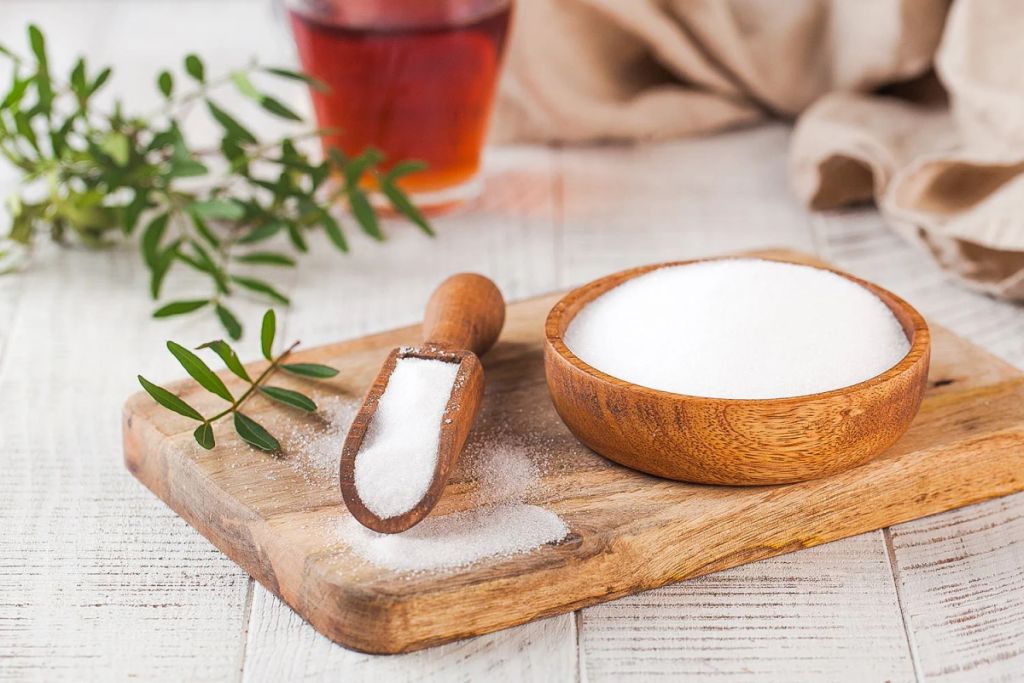
Erythritol and the Growing Debate on Sweetener Safety
Erythritol, a sugar alcohol commonly used in sugar-free and keto-friendly products, is facing renewed scrutiny after new research suggested it may have unexpected effects on the brain and cardiovascular system.
Researchers at the University of Colorado found that exposure to erythritol at levels similar to those seen after consuming a single artificially sweetened drink increased oxidative stress and damaged cells that protect the blood-brain barrier. This barrier is essential for shielding the brain from harmful substances, and its disruption could have serious implications for long-term health.
The study also revealed changes in molecules that regulate blood vessel function. Specifically, erythritol exposure reduced nitric oxide, which helps blood vessels relax, and increased endothelin-1, which causes narrowing of blood vessels. Together, these changes may reduce blood flow and increase cardiovascular strain.
Perhaps most concerning, scientists observed that erythritol may interfere with the body’s ability to break down blood clots. It appeared to inhibit the release of tissue plasminogen activator (tPA), a compound critical for dissolving clots before they become dangerous. Impaired clot breakdown is a known risk factor for strokes and other cardiovascular events.
These findings build on earlier observational studies linking high erythritol levels in the blood to an increased risk of heart attacks and strokes. Some studies suggest individuals with elevated erythritol may face up to double the risk of major cardiovascular events, though causation has not been firmly established.
Despite these concerns, experts caution against panic. Regulatory authorities still classify erythritol as safe, and the latest results come from laboratory conditions rather than large-scale human trials. Researchers emphasize the need for further clinical studies to determine whether typical consumption levels pose measurable risks.
Erythritol remains popular in diet beverages, protein bars, and low-carb snacks, especially among people managing diabetes or following ketogenic diets. However, the new findings add to a growing debate over whether artificial sweeteners are truly the healthier alternative they are marketed to be.
For now, health experts advise consumers to be mindful of how often they consume products containing erythritol and to stay informed as more research emerges. The conversation around sweeteners is shifting, and erythritol is now at the center of that debate.Focus keyphraseritol Under Scrutiny: Fresh Research Questions Popular Sweetener’s Safety



+ There are no comments
Add yours