
Ebola Crisis in Congo: Attacks on Health Facilities Escalate Outbreak Risks
Escalating Violence Threatens Ebola Response in Congo
The Democratic Republic of Congo is once again battling Ebola, but this time the crisis is compounded by violent attacks on health facilities. Doctors and aid workers are not only fighting the virus but also facing hostility from communities who deny the disease or demand unsafe burials for victims.
In Ituri province, where the outbreak began, hospitals have been repeatedly targeted. Over the weekend, Mongbwalu General Referral Hospital was attacked twice, allowing more than two dozen patients to escape. Some of those patients later tested positive, raising fears of uncontrolled community transmission.
The World Health Organization (WHO) has declared the outbreak of the rare Bundibugyo strain a global health emergency. So far, there have been over 900 suspected cases, including 101 confirmed infections and 220 suspected deaths. WHO officials warn that delayed detection means responders are “playing catch-up” against the virus.
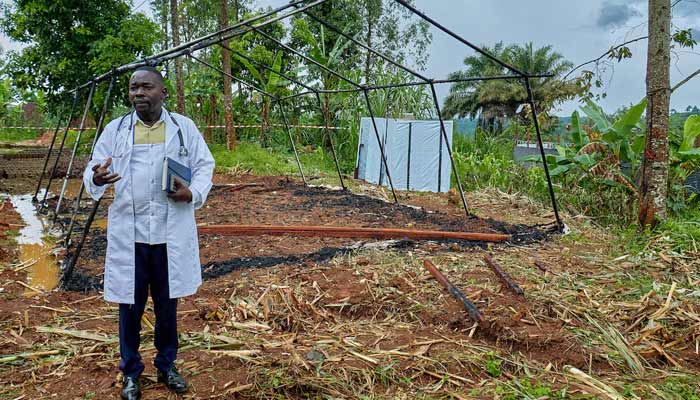
Doctors report that 18 patients fled after attackers burned isolation tents set up by Médecins Sans Frontières (MSF). In another incident, seven patients escaped during violent clashes sparked by the death of a local religious leader. Tragically, one critically ill patient died while attempting to flee during the chaos.
The attacks echo the 2018–2020 Ebola outbreak in eastern Congo, when health workers were frequently targeted. Many assaults were driven by mistrust, misinformation, and militia groups exploiting the crisis for political gain. Unsafe burials remain a major driver of Ebola transmission, as victims’ bodies are highly infectious.
The outbreak has already spread beyond Congo’s borders. Uganda confirmed seven cases, signaling regional risks if containment fails. Health experts stress that without community cooperation, medical interventions alone cannot stop Ebola’s spread.
This crisis highlights the urgent need for public awareness campaigns, stronger security for health facilities, and community engagement to rebuild trust. Without these measures, the fight against Ebola risks being undermined not just by the virus itself, but by human actions that accelerate its deadly reach.