
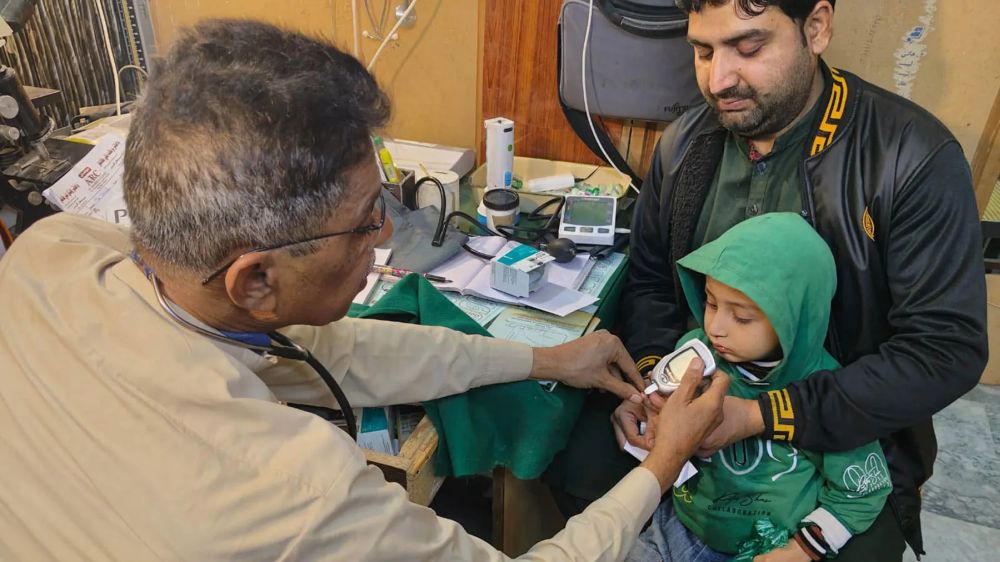
Insulin Access Challenges for Children in Pakistan
Children living with Type 1 diabetes in Pakistan are among the most vulnerable patients in the country. For them, uninterrupted access to insulin is not just important—it is life-saving. Yet instability, economic pressures, and disrupted supply chains are making this access increasingly fragile.
Dr. Sana Ajmal, founder of Meethi Zindagi, recalls heartbreaking stories of children who died while waiting for insulin. Her nonprofit now supports over 1,200 children across 140 cities, delivering insulin directly to homes through its Insulin Support Program. Despite these efforts, rising fuel costs and declining donations threaten the sustainability of this initiative.
The Indus Hospital and Health Network has also expanded its diabetes services under Dr. Abdul Basit’s leadership. With growing numbers of children diagnosed with Type 1 diabetes, the hospital expects to serve at least 1,000 patients in the coming years. Collaboration between Indus and Meethi Zindagi is helping improve education and treatment access for underserved communities.
The challenges are immense. Conflict and instability have disrupted supply chains, making it harder to maintain cold storage and deliver insulin safely. Economic pressures mean families already living below the poverty line struggle to afford basic goods, let alone essential medicines.
Despite these obstacles, Meethi Zindagi continues to innovate. With support from Direct Relief, the organization has secured cold-chain refrigerators and injection devices, ensuring safer and more reliable insulin delivery. During the devastating 2022 floods, volunteers even used boats to reach stranded families, saving over 120 children outside the program.
Yet the future remains uncertain. Declining donations during Ramadan and rising costs could force Meethi Zindagi to reduce its reach from 1,200 children to just 300. That would leave hundreds of vulnerable children without life-saving treatment.
For families and providers, the message is clear: sustained support and resilient supply chains are critical to protecting children with Type 1 diabetes in Pakistan. Without them, the risks of rationing insulin, using unsafe syringes, or facing deadly interruptions in treatment will continue to grow.
In the face of instability, these organizations embody resilience and hope. Their work ensures that even if life with diabetes is challenging, children can still look forward to a “sweet life”—one defined by care, dignity, and survival.



+ There are no comments
Add yours