
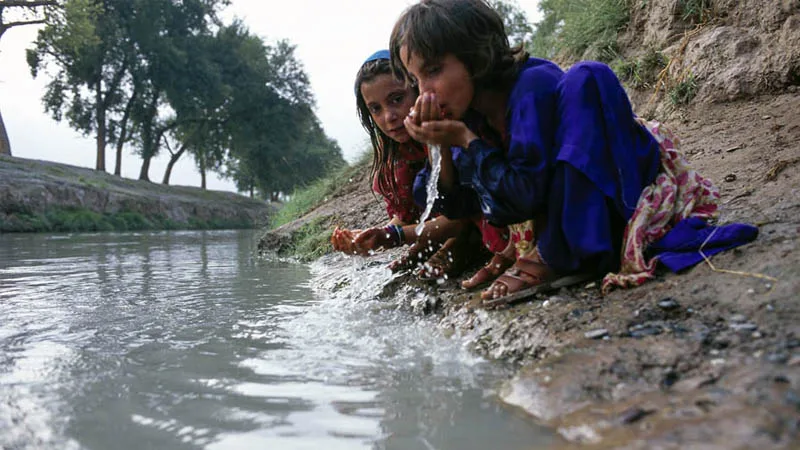
Pakistan’s Water Crisis: Millions Drinking Sewage-Contaminated Water
Pakistan’s Water Crisis: Sewage Contamination Threatens Public Health
A Dire Warning from the Health Ministry Pakistan’s Health Minister, Mustafa Kamal, has issued a sobering alert: from Gilgit to Karachi, millions of citizens are consuming water contaminated with sewage. This alarming reality is contributing to nearly 68% of illnesses across the country. Kamal described the current public health infrastructure as a “sick care system,” emphasizing the urgent need to shift focus from reactive treatment to proactive disease prevention.
Sanitation Failures Fueling a Health Emergency Poor sanitation and unsafe water are turning Pakistan’s environment into what Kamal calls “a factory producing sickness.” The lack of clean drinking water, especially in densely populated cities like Karachi, is exacerbating the crisis. The minister highlighted that many residents struggle daily to access safe water, making public health one of the nation’s most pressing challenges.
Overburdened Healthcare System Doctors across Pakistan are overwhelmed, treating up to 300 patients per day—far beyond the manageable threshold of 35 to 40. This strain on medical professionals reflects the broader systemic issues plaguing the country’s healthcare delivery. Kamal also pointed to population growth as a compounding factor, noting that Pakistan adds more people annually than the entire population of New Zealand.
Maternal Health in Jeopardy The crisis extends to maternal health, with an estimated 11,000 mothers dying each year during pregnancy. These figures underscore the need for comprehensive reforms that address both environmental and institutional shortcomings in healthcare.
A Call for Pharmaceutical Strength and Regional Leadership In addition to water and sanitation concerns, Kamal advocated for strengthening Pakistan’s pharmaceutical industry. He emphasized the potential for regional exports, particularly to neighboring countries like Afghanistan, and reaffirmed the government’s commitment to supporting domestic medical production.
Looking Ahead: Prevention Over Cure The Health Minister’s message is clear: Pakistan must prioritize clean water access, sanitation reform, and preventive healthcare to reverse the tide of illness. Without immediate action, the country risks deepening its public health crisis and overwhelming its already strained medical infrastructure.