
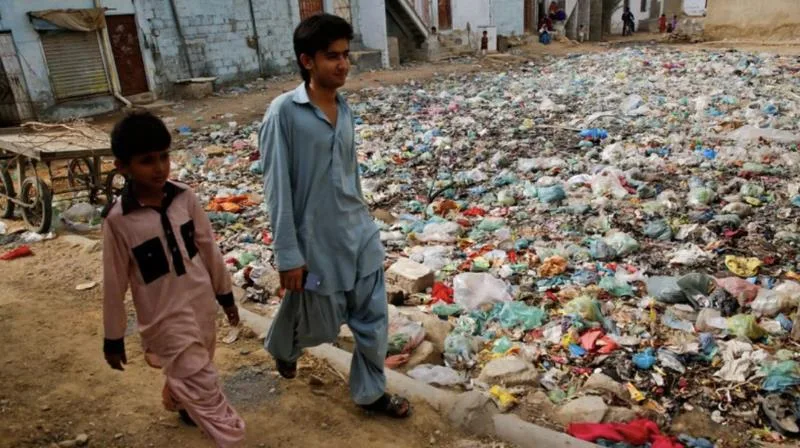
Rural Waste Dumping in Pakistan: A Hidden Health Crisis
Rural Waste Dumping in Pakistan: A Growing Threat to Public Health
The Silent Crisis in Pakistan’s Villages
Across rural Pakistan, heaps of solid waste are becoming more than just an eyesore—they’re a serious public health hazard. What may seem like harmless trash piles are actually breeding grounds for disease and environmental contamination, putting entire communities at risk.
How Waste Dumping Fuels Disease
Improper disposal of solid waste attracts disease-carrying pests like mosquitoes, flies, and rodents. These vectors are responsible for a surge in illnesses such as:
- Gastrointestinal infections
- Skin diseases
- Respiratory conditions
- Typhoid, cholera, and dysentery
The problem is especially severe in areas where waste is dumped near homes, schools, and water sources.
Environmental Damage That Can’t Be Ignored
Beyond immediate health concerns, the environmental impact is staggering. Toxic leachate—liquid that seeps from decomposing waste—pollutes groundwater and irrigation systems. Blocked drainage and sewage lines lead to stagnant water, which further accelerates the spread of vector-borne diseases.
Children and Waste Collectors at Highest Risk
Among the most vulnerable are children and informal waste collectors. These individuals often come into direct contact with hazardous materials, including sharp objects and discarded medical waste. The risks include:
- Cuts and infections
- Hepatitis
- Exposure to toxic substances
Without protective gear or proper training, these groups face daily threats to their health and safety.
Why the Problem Persists
In many rural areas, there’s a lack of organized waste management systems. Local governments often lack the resources or infrastructure to implement proper disposal methods. As a result, communities resort to open dumping, unaware of the long-term consequences.
The Urgent Need for Reform
Addressing this crisis requires a multi-pronged approach:
- Public awareness campaigns about safe waste disposal
- Investment in rural sanitation infrastructure
- Training and protection for waste workers
- Stronger regulations and enforcement
Without immediate action, the health and environmental toll will continue to rise, affecting generations to come.
Conclusion: A Call to Action
Unchecked waste dumping in rural Pakistan is more than a sanitation issue—it’s a public health emergency. By recognizing the risks and pushing for systemic change, we can protect vulnerable communities and preserve the environment for future generations.